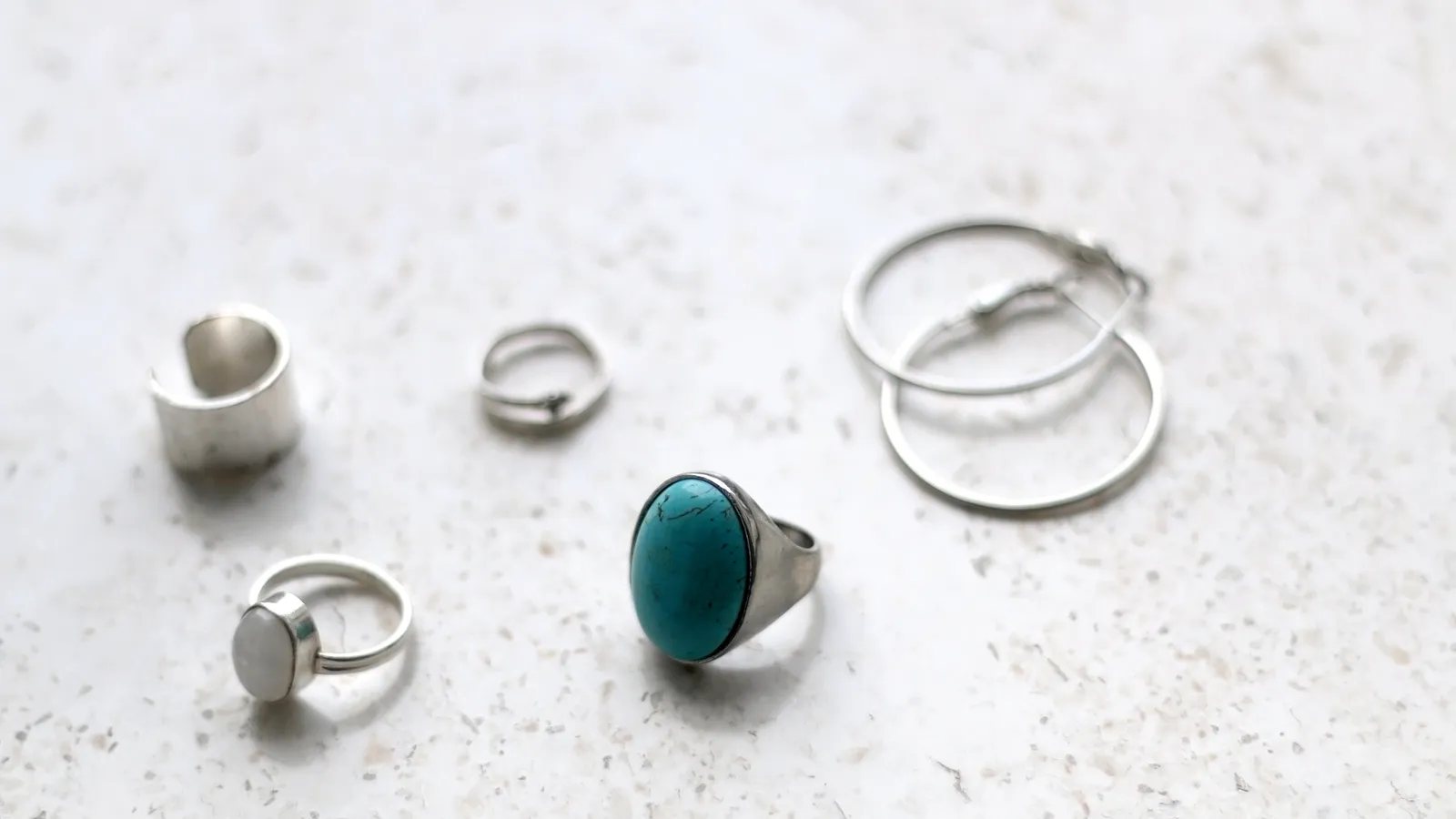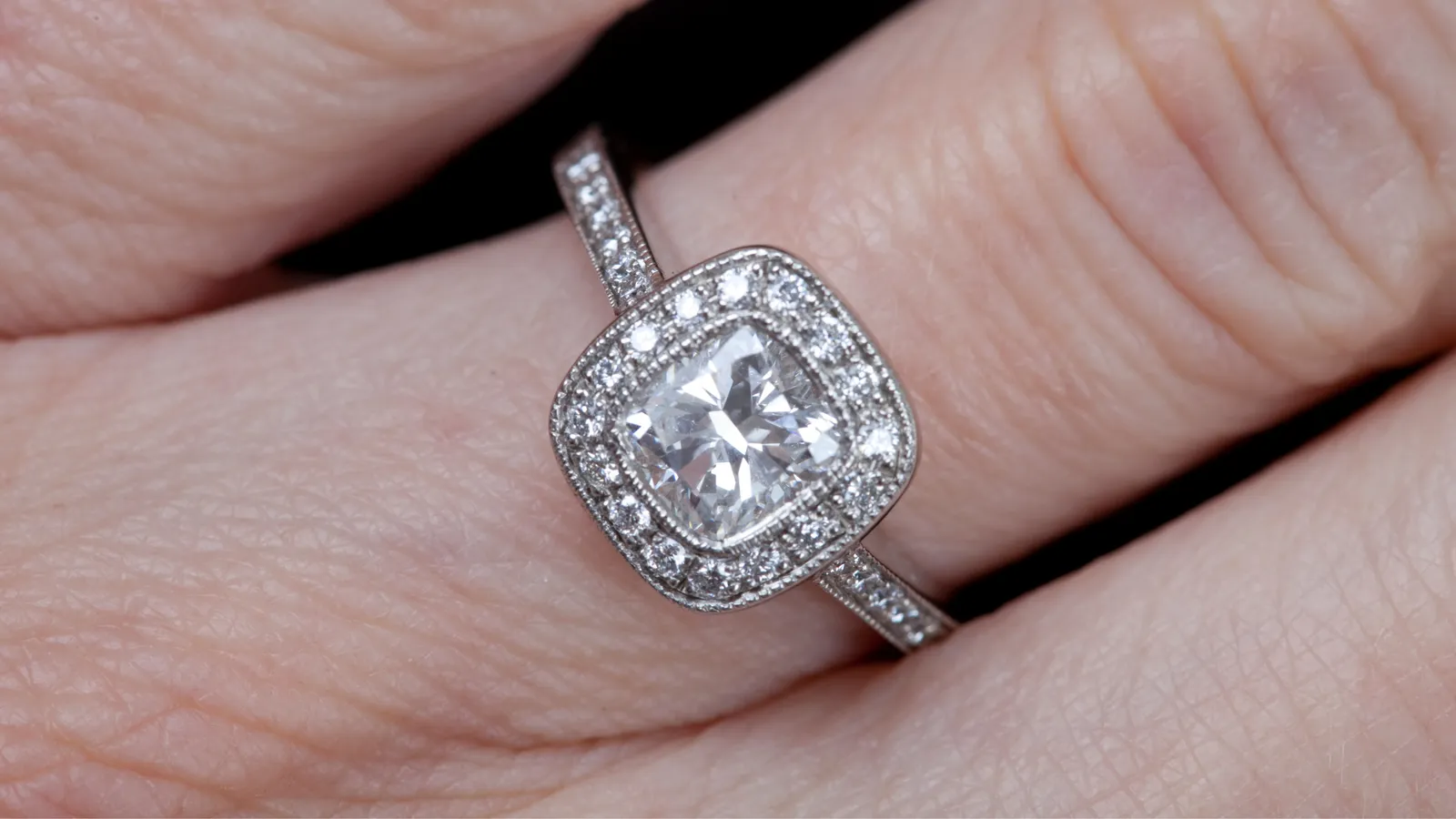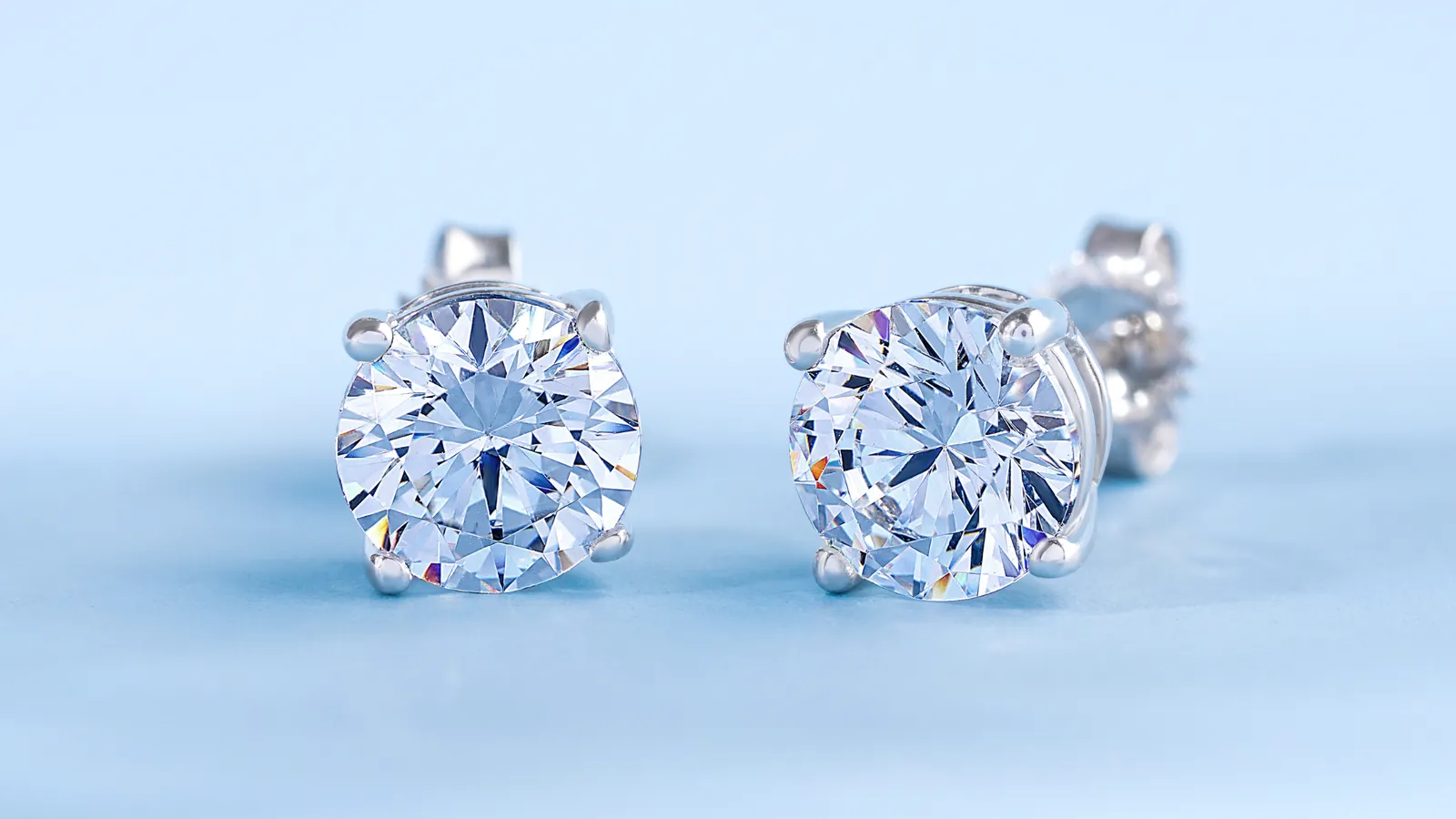
Short answer: at home you can’t truly sterilize earrings the way a piercing studio does with an autoclave, but you can clean and disinfect them well enough for everyday wear. Wash them in warm soapy water, then wipe or soak the metal posts in 70% rubbing alcohol and let them air dry. Boiling water works for plain, solid metal earrings, but never for pearls, glued stones or plated pieces.
At a glance
| Earring type | Best method |
|---|---|
| Solid gold, platinum, titanium, surgical steel (no stones) | Soap and water, then 70% alcohol; boiling is OK |
| Sterling silver (no stones) | Soap and water, then 70% alcohol; dry well to slow tarnish |
| Diamonds, sapphires, rubies in solid metal | Soap and water, alcohol on the post |
| Pearls, opals, turquoise, glued stones | Mild soap and water only; alcohol on the post, not the stone |
| Plated, costume or fashion jewelry | Quick alcohol wipe on the post; no soaking or boiling |
Sterilizing vs disinfecting: what’s the difference?
- Cleaning removes dirt, oil, skin cells and product buildup.
- Disinfecting kills most germs on a surface.
- Sterilizing kills all microorganisms. Professional piercers do this with a medical autoclave, which uses high-pressure steam.
For earrings going into a healed piercing, cleaning plus disinfecting is what you actually need. If you’re getting a new piercing, the jewelry should come sterilized from the piercer.
Step by step: the everyday method
- Wash your hands. Clean earrings and dirty fingers cancel each other out.
- Clean first. Soak the earrings in warm water with a few drops of mild dish soap for a few minutes. Brush the post, backs and settings gently with a soft toothbrush.
- Rinse and dry. Rinse under clean water and pat dry with a lint-free cloth.
- Disinfect. Wipe the posts and backs with a cotton pad soaked in 70% isopropyl (rubbing) alcohol, or dip plain metal earrings for a minute or two.
- Air dry. Let them dry completely on a clean towel before putting them in.
Cleaning before disinfecting matters. Alcohol works far better on a clean surface than on one coated in skin oil and lotion.
Using boiling water
Boiling is a good option for solid metal earrings with no stones, such as plain gold hoops or titanium studs.
- Bring a small pot of water to a boil.
- Lower the earrings in with a slotted spoon and boil for several minutes.
- Lift them out carefully and let them cool and dry on a clean towel.
Don’t boil these
Pearls, opals, emeralds, turquoise, amber, anything with glued-in stones, plated or vermeil pieces, and earrings with plastic or silicone backs. Heat can crack stones, loosen glue, warp plastic and wear away plating.
How to treat different materials
Gold, platinum, titanium and surgical steel
These metals handle soap, alcohol and hot water well. Just check that any stones are secure first.
Sterling silver
Silver is fine with soap and alcohol. Dry it thoroughly, because moisture speeds up tarnish. If it’s already darkened, polish it with a silver cloth after disinfecting.
Pearls and soft or porous gems
Pearls, opals and turquoise can be damaged by alcohol, heat and chemicals. Wipe them with a damp cloth and a little mild soap, and disinfect only the metal post with a cotton swab dipped in alcohol, keeping it off the stone.
Plated and costume jewelry
Gold-plated and fashion earrings have a very thin surface layer that soaking can wear through. A quick alcohol wipe on the post is enough. If they leave your ears itchy, the base metal may contain nickel. See our picks for the best jewelry for sensitive skin.
What about new or healing piercings?
A fresh piercing is a wound, and it needs different care from the earrings themselves.
- Clean the piercing with sterile saline. The Association of Professional Piercers (APP) recommends a sterile saline wound wash with 0.9% sodium chloride as the only ingredient.
- Skip harsh products on your skin. The APP advises against alcohol, hydrogen peroxide, antibacterial soaps and iodine on a healing piercing.
- Choose body-safe starter jewelry. The APP lists implant-grade steel and titanium, niobium, platinum, and nickel-free 14K or 18K gold, and says plated, gold-filled and vermeil pieces aren’t suitable for fresh piercings.
- Leave the starter jewelry in. Don’t swap earrings until the piercing has healed. Our guide on how long to wait before changing earrings covers timing.
If a piercing is red, hot, swollen, very painful or oozing, see a piercer or doctor rather than trying to fix it at home.
How often should you clean earrings?
- Earrings you wear daily: roughly once a week, or whenever they look cloudy or smell. Here’s why earrings start to smell.
- Before first wear: always, especially if they’re secondhand or borrowed.
- After an ear irritation clears up: before you put them back in.
For a deeper clean that focuses on sparkle rather than germs, see how to clean earrings.
Frequently asked questions
Can I use hand sanitizer on earrings?
In a pinch, an alcohol-based sanitizer can disinfect the posts of plain metal earrings. Wipe off any residue afterward, and keep it away from pearls, opals and glued stones.
Should I disinfect earrings before wearing them for the first time?
It’s a good habit, especially for secondhand or borrowed earrings. Wash them with soap and water, then wipe the posts with 70% rubbing alcohol and let them dry.
Can I clean my new piercing with rubbing alcohol?
No. The Association of Professional Piercers advises against alcohol, hydrogen peroxide and other harsh products on a healing piercing. It recommends sterile saline wound wash instead.
Is it safe to share earrings?
Sharing earrings carries a small risk of passing on skin bacteria. If you do, clean and disinfect them first, and never share earrings with a fresh or irritated piercing.