All articles
Every guide on the site, newest first.
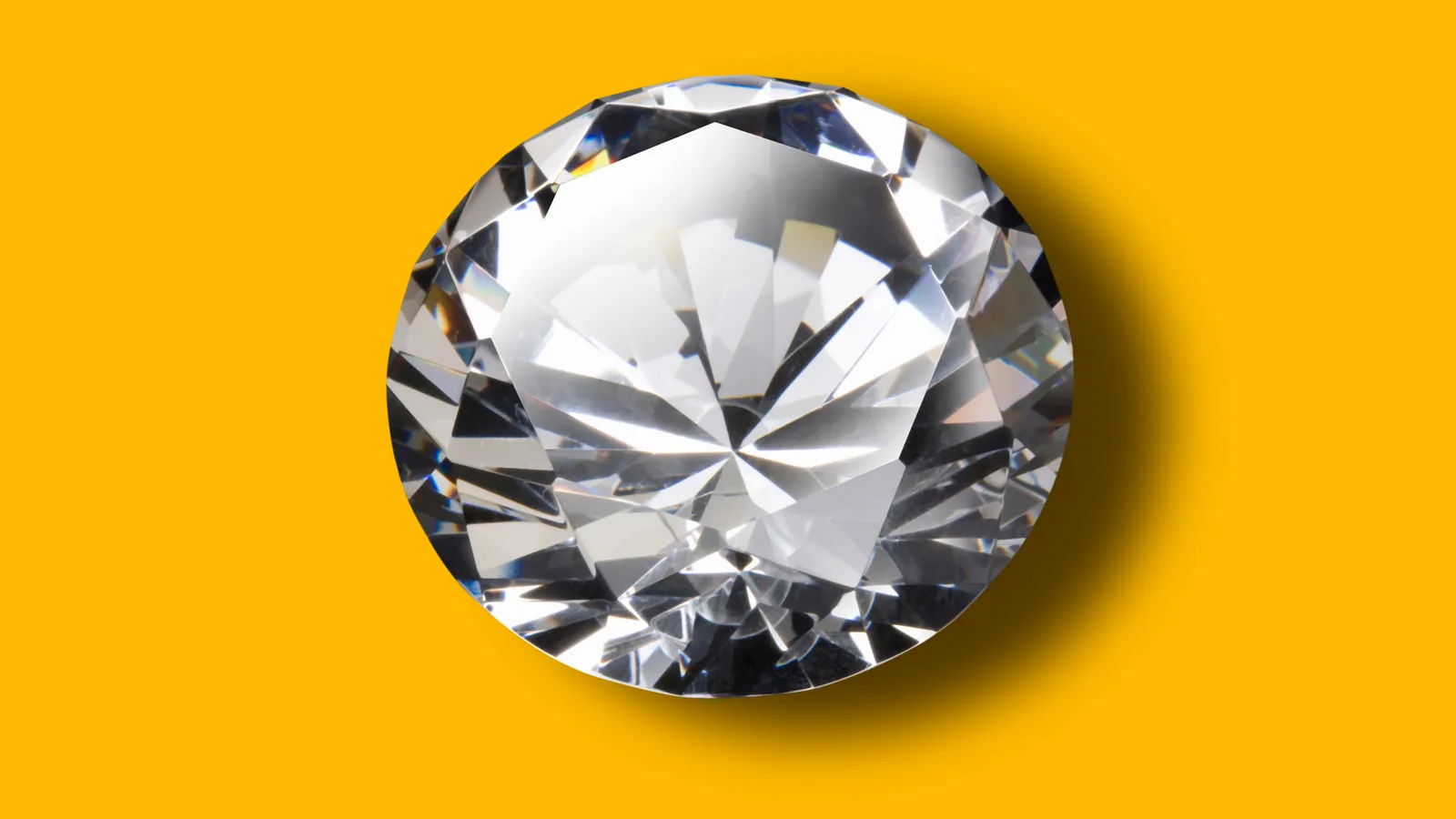
What Are Eye-Clean Diamonds? (And Which Clarity Grades Usually Are)
An eye-clean diamond has no inclusions you can see without magnification. It’s not a lab grade, so here’s how to judge it and which clarity grades usually are.
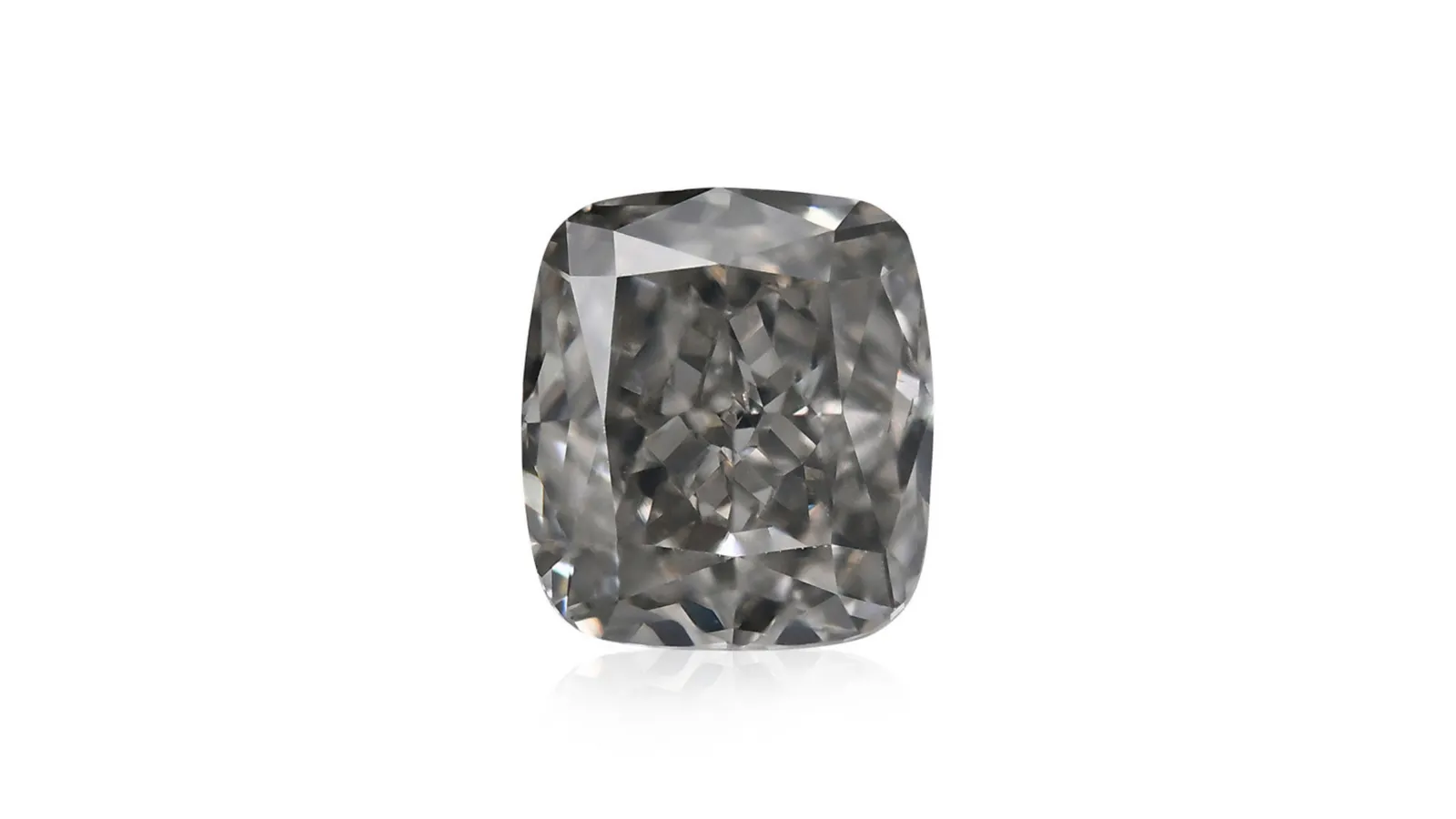
What Are Grey Diamonds? (Color, Causes & Buying Tips)
Grey diamonds are natural fancy color diamonds with a cool, steely look. See what causes the color, how they’re graded and how they differ from salt and pepper.
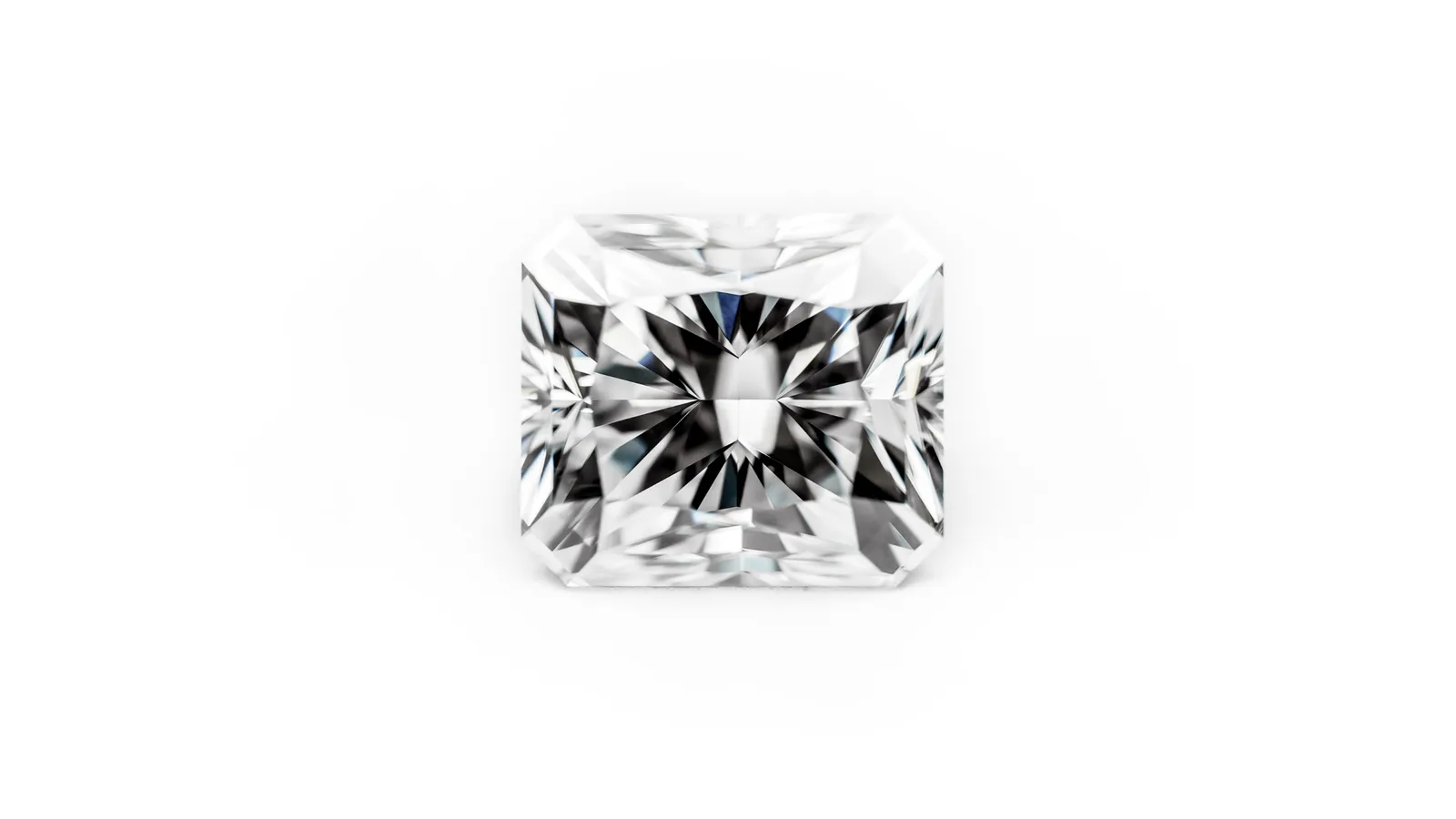
What Is a Modified Brilliant Cut Diamond? (Princess, Radiant, Cushion & More)
“Modified brilliant” on a diamond report means brilliant-style faceting on a non-round shape, like princess, radiant and cushion. Here’s what it means for you.
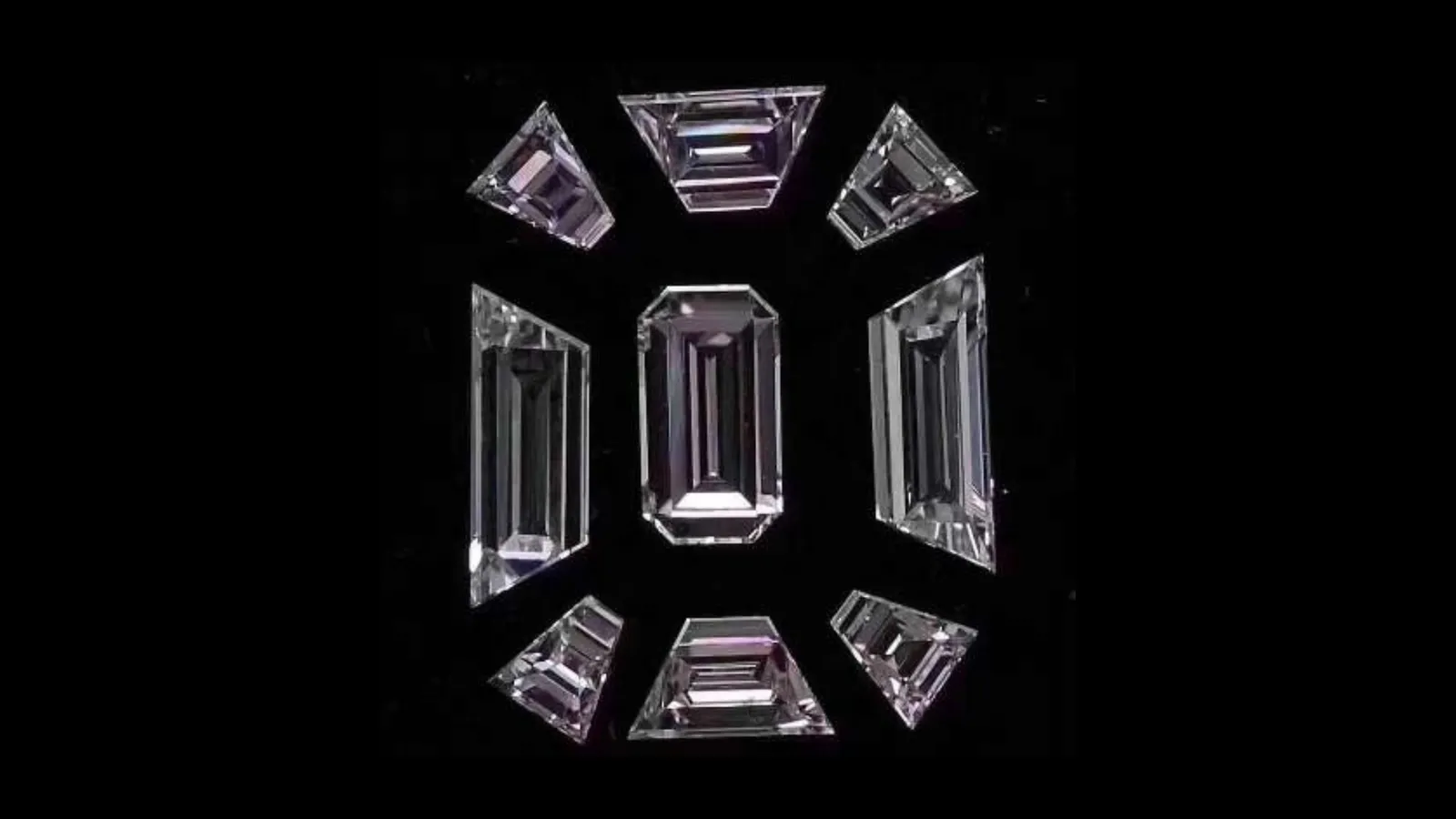
What Is a Pie Cut Diamond? (Illusion Diamonds Explained)
A pie cut diamond is several precisely cut diamond pieces fitted together to look like one big stone. Here’s how it works, the pros and cons, and what to check.
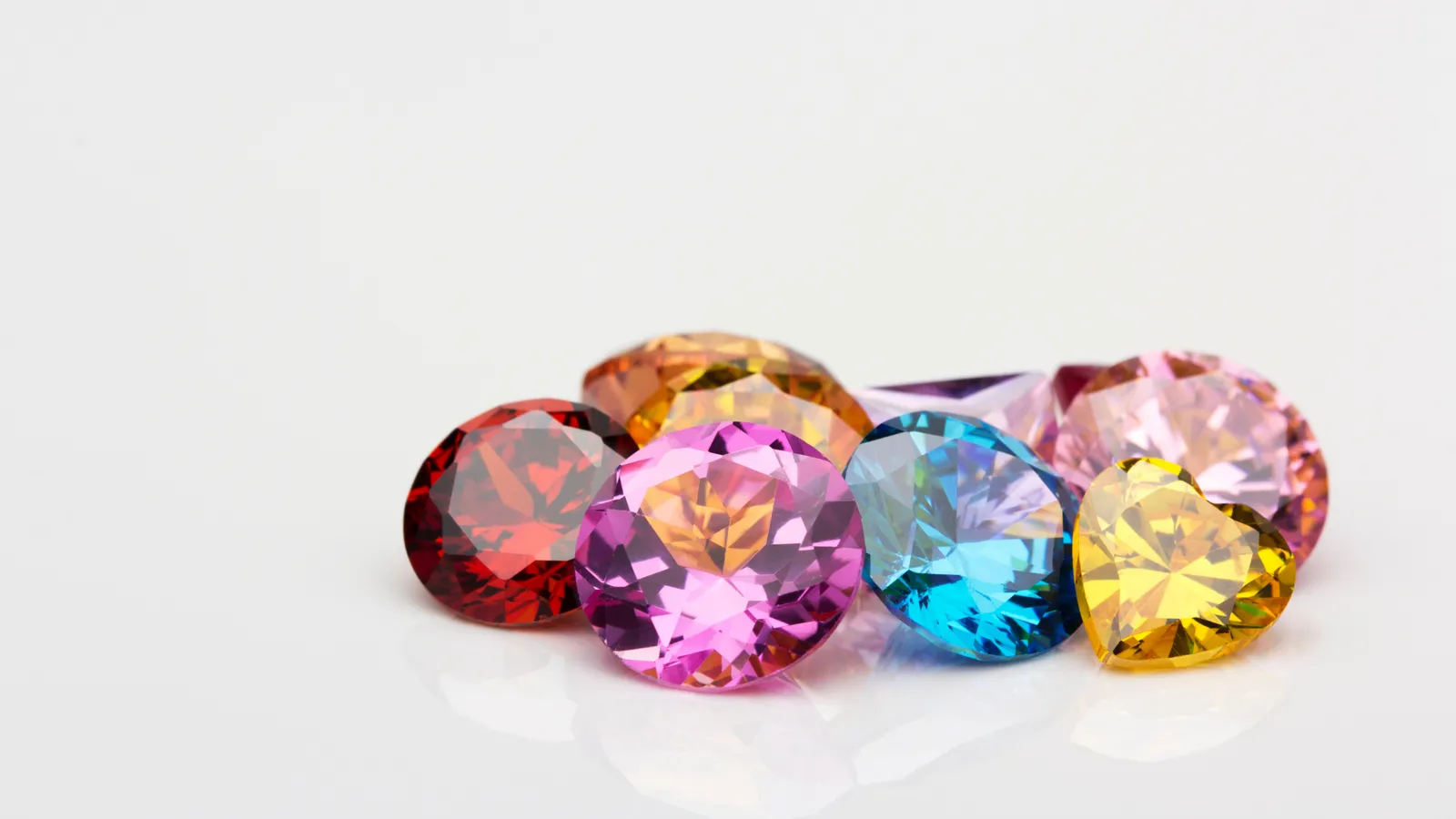
Where Do Colored Diamonds Come From? (Causes and Sources by Color)
Yellow, blue, pink, green and black diamonds get their color from nitrogen, boron, crystal distortion or radiation. What causes each color and where it’s found.
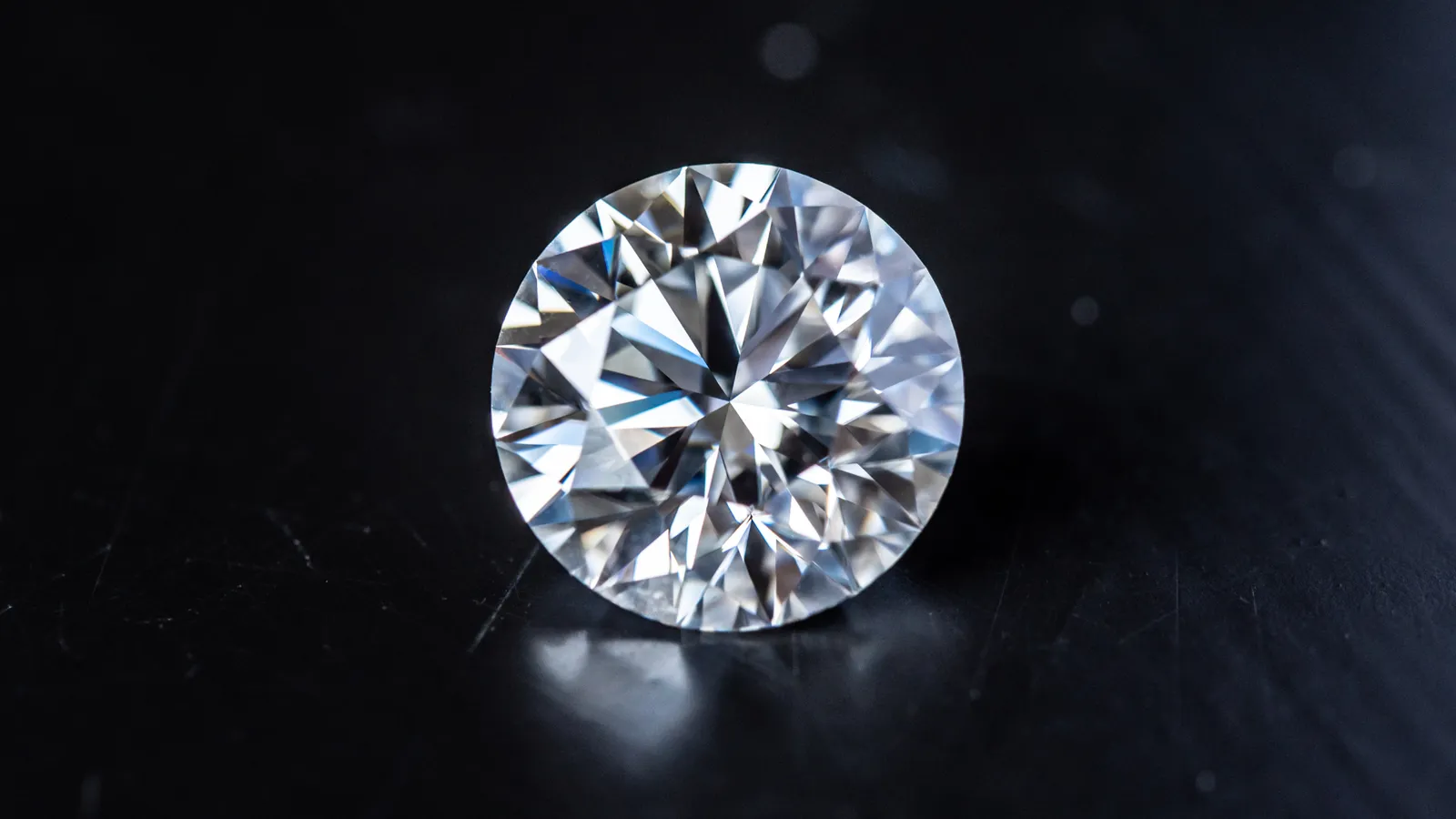
What Is a Triple Excellent Diamond? (3EX / Triple X Explained)
A triple excellent (3EX) diamond has Excellent cut, polish and symmetry on its lab report. Here’s what that means, if it’s worth paying for and what it misses.
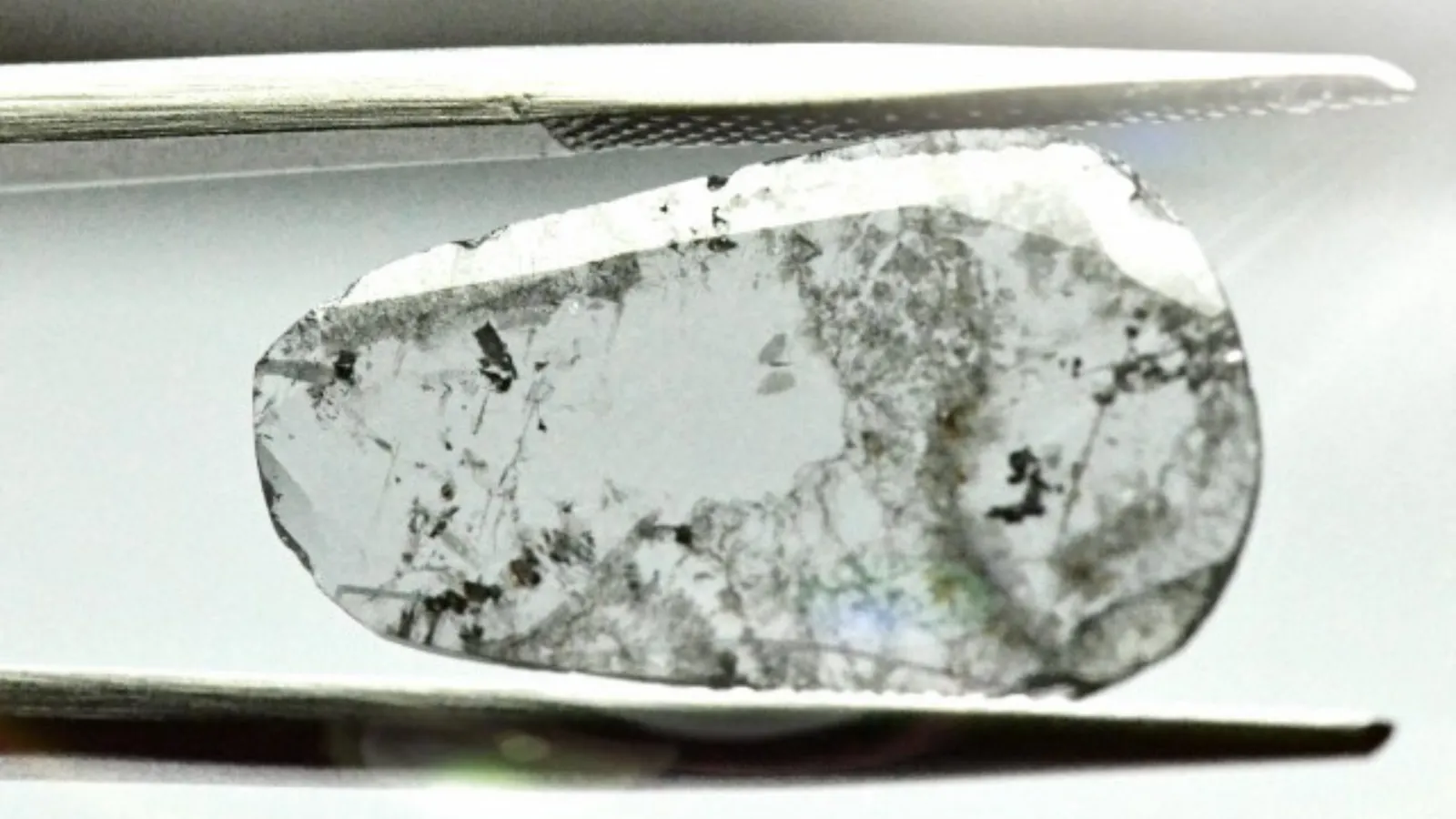
What Is a Diamond Slice? (Look, Durability & Buying Tips)
A diamond slice is a thin, flat cross-section of diamond, often full of visible inclusions. Here’s how slices differ from regular cuts and how durable they are.
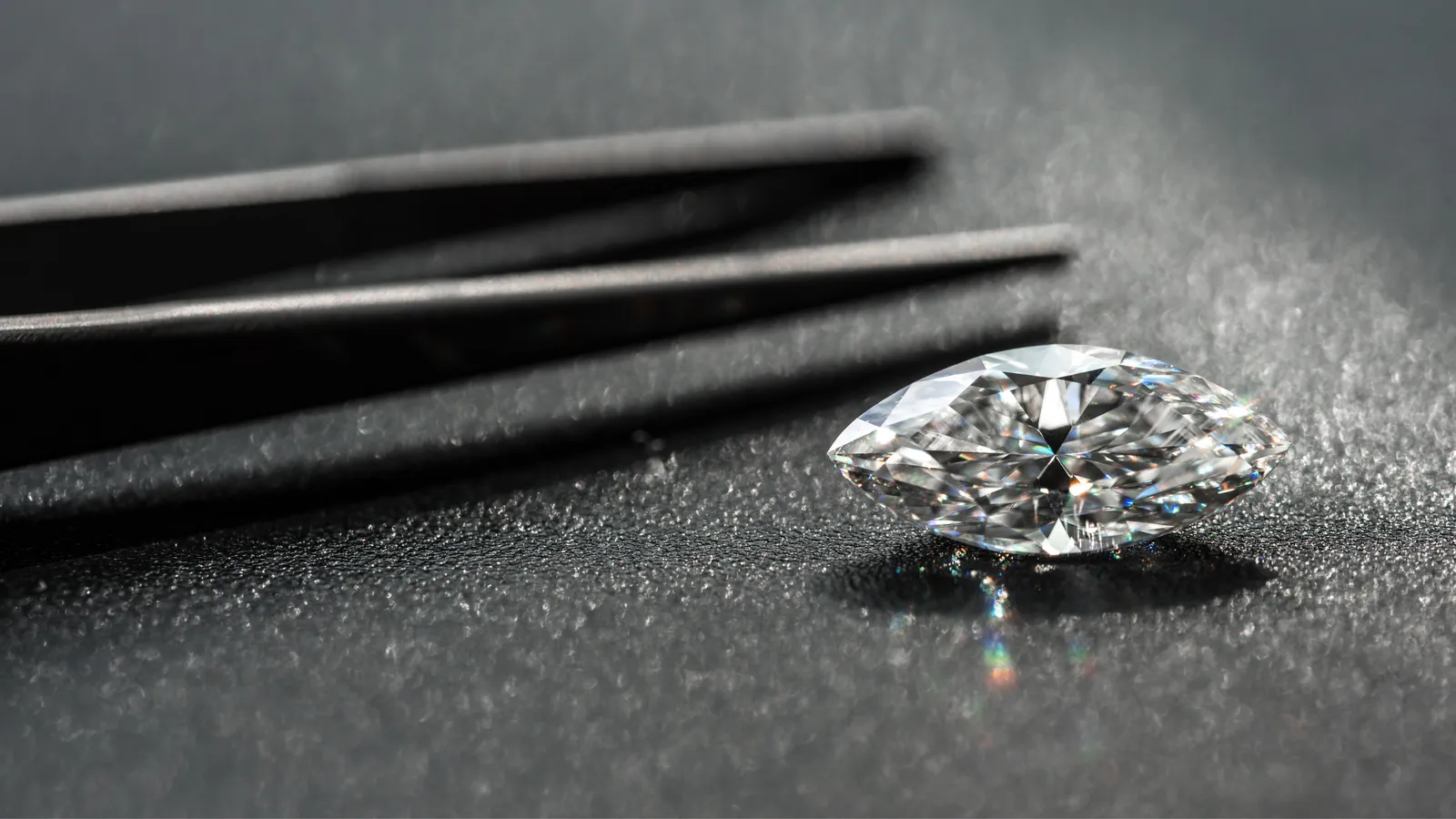
Can a Marquise Diamond Be Recut? (Into Oval, Pear or Round)
Yes, a marquise diamond can be recut, usually into a pear or oval. Here’s how it works, how much weight you could lose, the risks and when it’s worth doing.
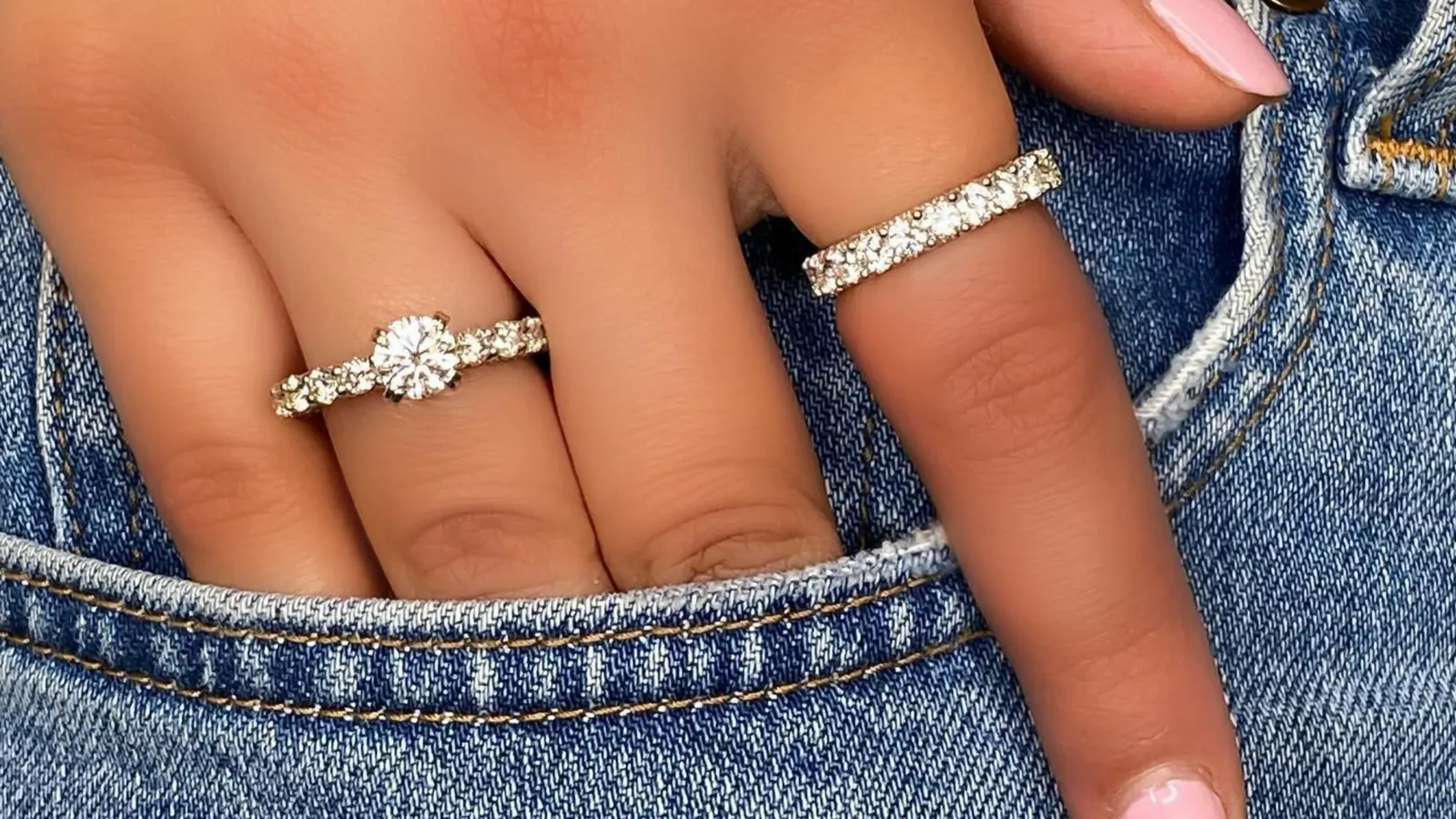
How to Wear Multiple Diamond Rings (Stacking Tips That Work)
How to wear several diamond rings without overdoing it: which fingers to use, how to stack bands, mixing metals and shapes, and how to protect your diamonds.
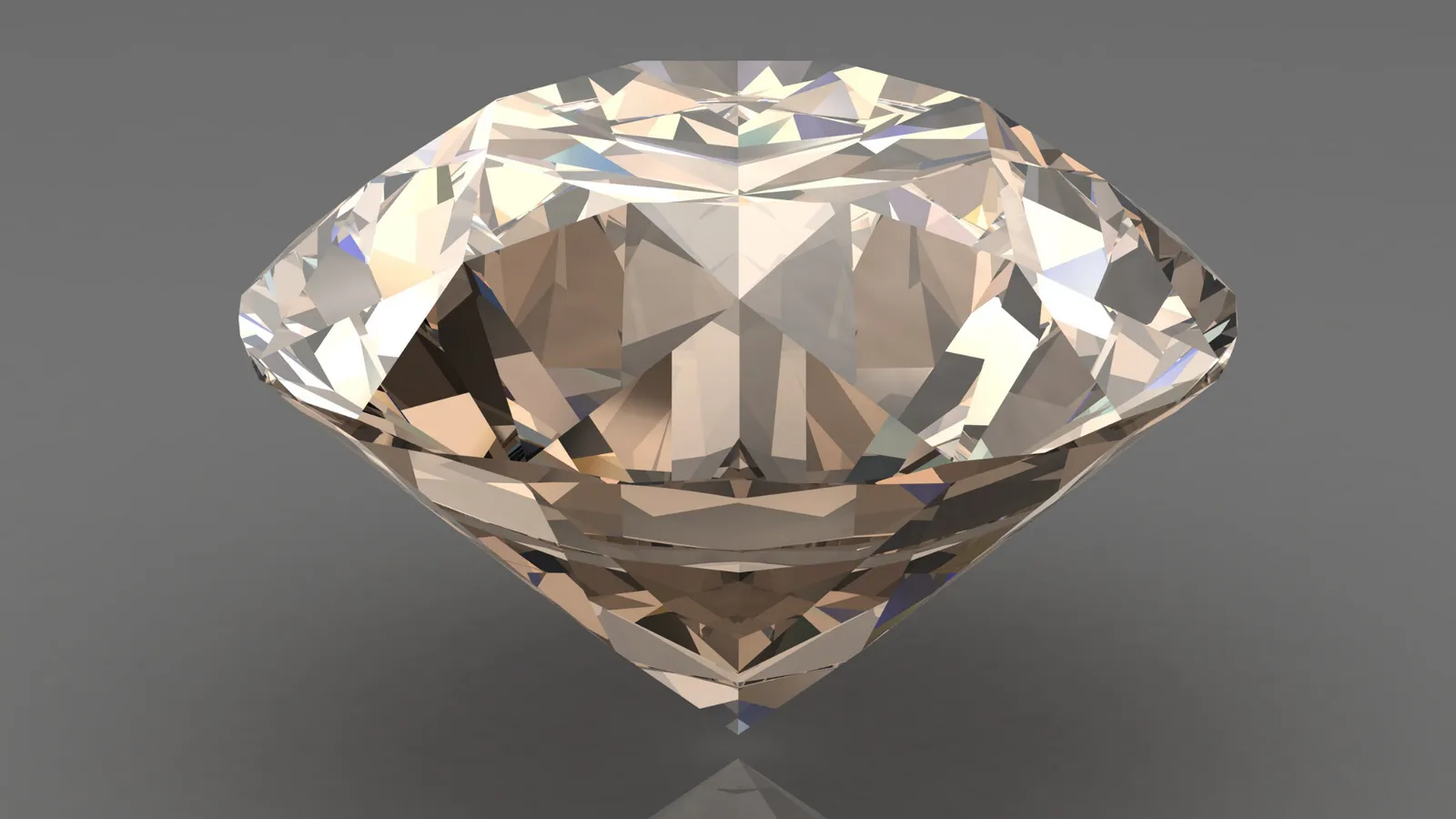
What Are Champagne Diamonds? (Color Scale, Price & Buying Tips)
Champagne diamonds are light to medium brown diamonds with a warm, golden look. Learn how they’re graded, what the C1–C7 scale means and how they’re priced.
What Is a GIA Diamond? (GIA Certified Diamonds Explained)
A “GIA diamond” is one graded by the Gemological Institute of America. Here’s what the report covers, how to verify it and what it doesn’t tell you.
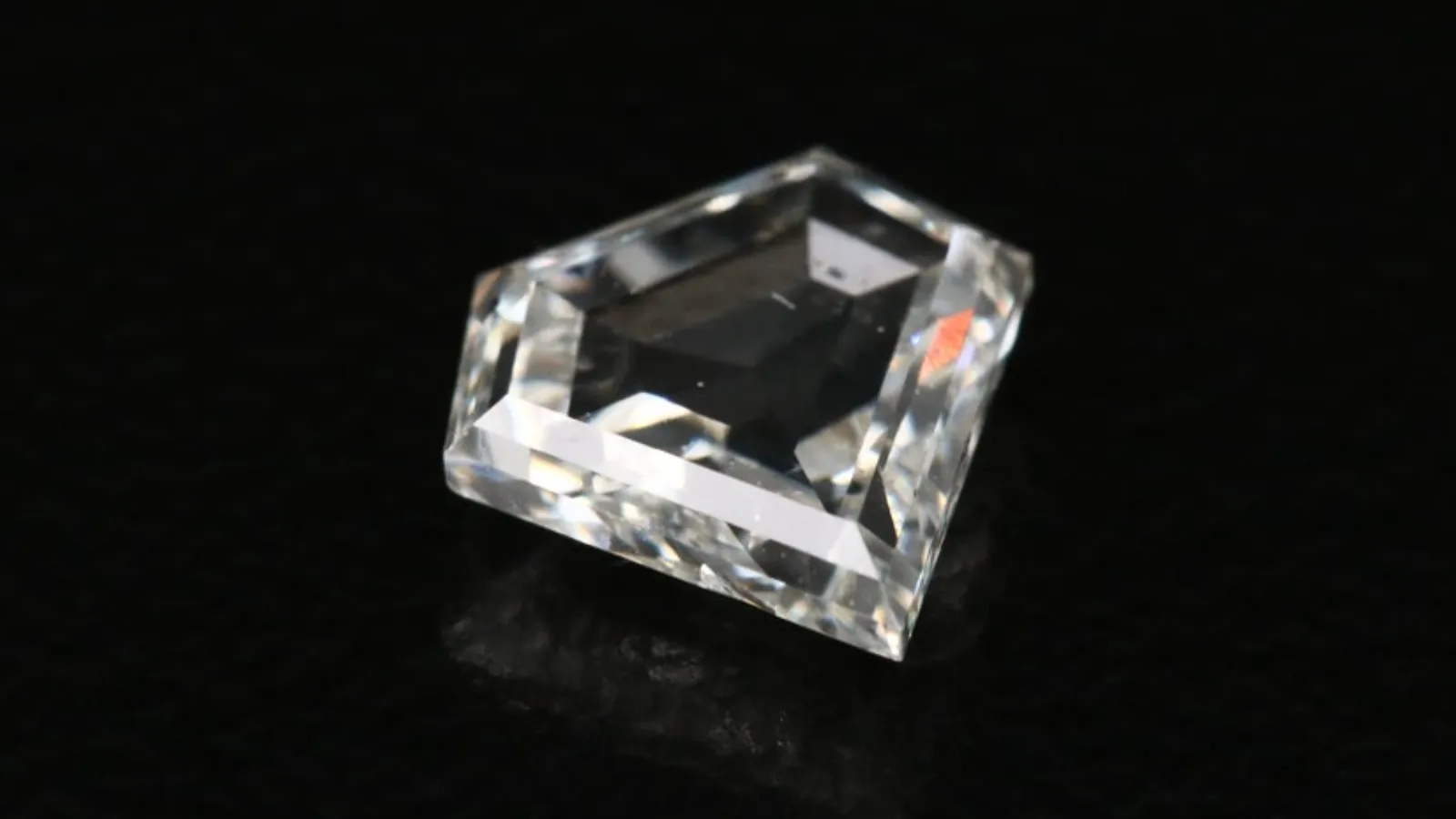
What Is a Shield Cut Diamond? (Shape, Uses & Buying Tips)
A shield cut diamond is a fancy shape that looks like a heraldic shield. Learn how it’s used as a side or center stone, how it’s graded and what to look for.