Short answer: a 9 carat diamond can be worth anywhere from tens of thousands to several hundred thousand dollars. As real reference points, a 9.04 carat I-color emerald cut ring sold for $166,400 at Christie’s in October 2026, a 9.09 carat brilliant-cut ring made about $342,000 at Sotheby’s Milan the same month, and an 8.85 carat D-color marquise sold for $393,700. Color, clarity, cut, shape and natural vs lab-grown origin explain most of the gap.
Verified reference points (natural diamonds)
| Diamond | Result | Sale |
|---|---|---|
| 9.04 ct emerald cut, I, VS1 (ring, sold with a David Webb ring jacket) | $166,400 | Christie’s Jewels Online, Oct 2026 |
| 9.09 ct brilliant cut (ring; grades not stated in the sale coverage) | EUR 307,200 (about $341,910) | Sotheby’s Milan, Oct 2026 |
| 8.85 ct marquise, D, Internally Flawless (ring) | $393,700 | Christie’s Jewels Online, reported Mar 2026 |
| D-color, type IIa stones around 8 carats | Generally from about $300,000 to over $600,000 | Sotheby’s, Nov 2024 |
Auction results usually include the buyer’s premium. They show the range, not a price list for your stone.
Why 9 carat prices vary so much
Two diamonds can both weigh 9 carats and differ in value by hundreds of thousands of dollars. Compare the first and third rows above: the I-color emerald cut and the D-color, Internally Flawless marquise are close in weight, yet the D stone sold for more than twice as much.
The reasons are the 4Cs plus a few extras:
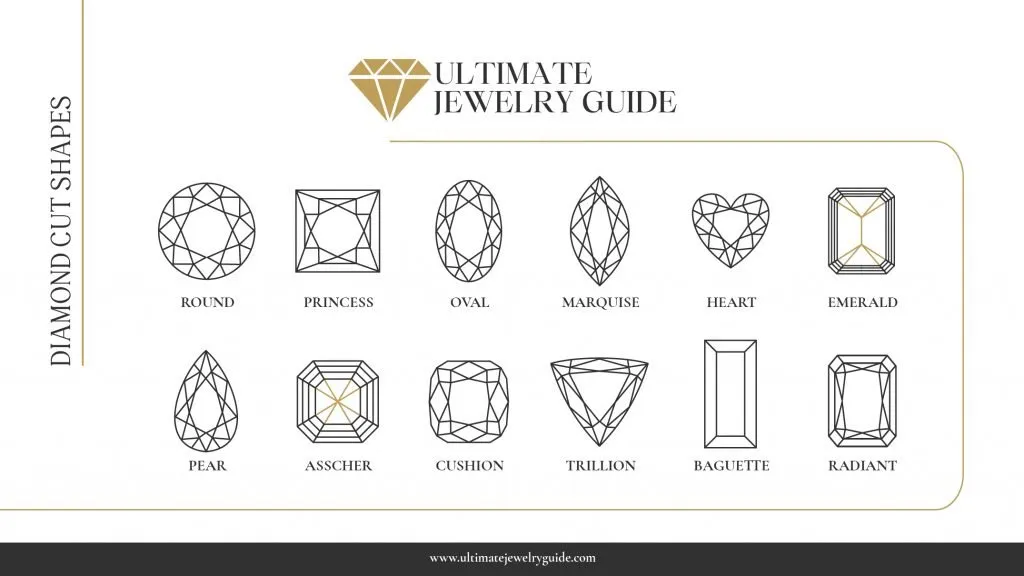
Shape
Round brilliants usually cost the most per carat, because cutting them wastes more rough and demand is high. Fancy shapes like emerald, oval, cushion and pear typically cost less. See what is the most expensive diamond cut.
Color
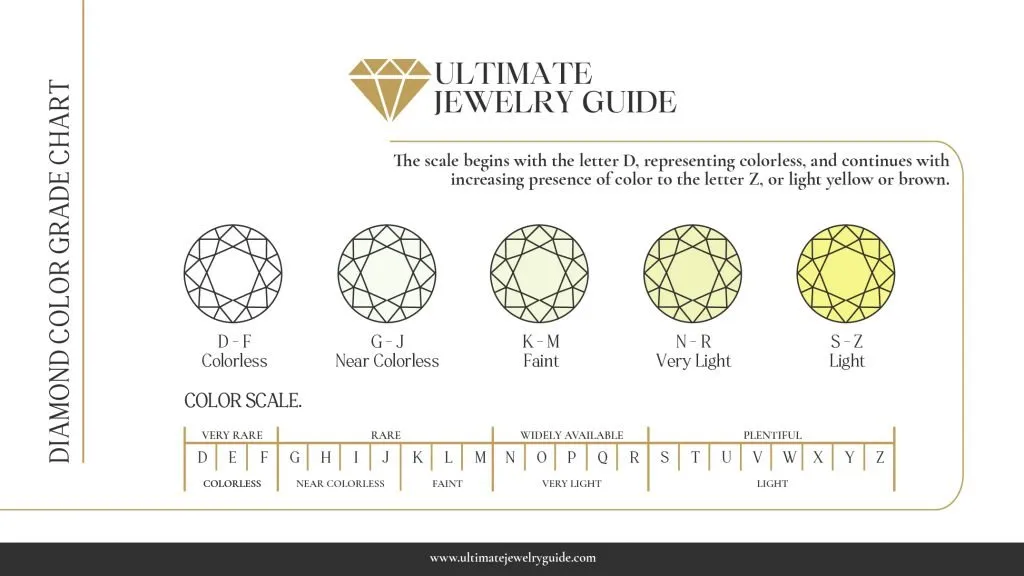
At 9 carats, color is easy to see. A D–F stone looks icy white; stones further down the scale show a warm tint, especially in step cuts like the emerald. Each grade step can mean a large price difference.
Clarity
Inclusions are easier to spot in a big stone, and very easy to spot in emerald and asscher cuts with their open, mirror-like facets. Flawless and Internally Flawless grades carry a premium; an eye-clean VS stone costs much less and looks the same to most people.
Cut quality
A well-cut stone looks bigger, brighter and livelier. A poorly cut 9 carat diamond may be deep, hiding weight underneath and looking like a smaller stone.
Other factors
- Fluorescence: strong blue fluorescence can reduce the price of high-color stones.
- Type IIa: chemically very pure diamonds that collectors prize, especially in D color.
- Maker and history: signed jewels from famous houses can sell well above unsigned pieces.
- Treatments: clarity-enhanced or color-treated stones are worth much less and must be disclosed.
Natural vs lab-grown
Lab-grown diamonds are real diamond but are made in a factory, and they sell for a small fraction of natural prices at the same grades. They also resell for far less. If you own a 9 carat lab-grown diamond, value it on what a similar stone costs new today. Our comparison of synthetic vs natural diamonds covers the trade-offs.
How to find out what your 9 carat diamond is worth
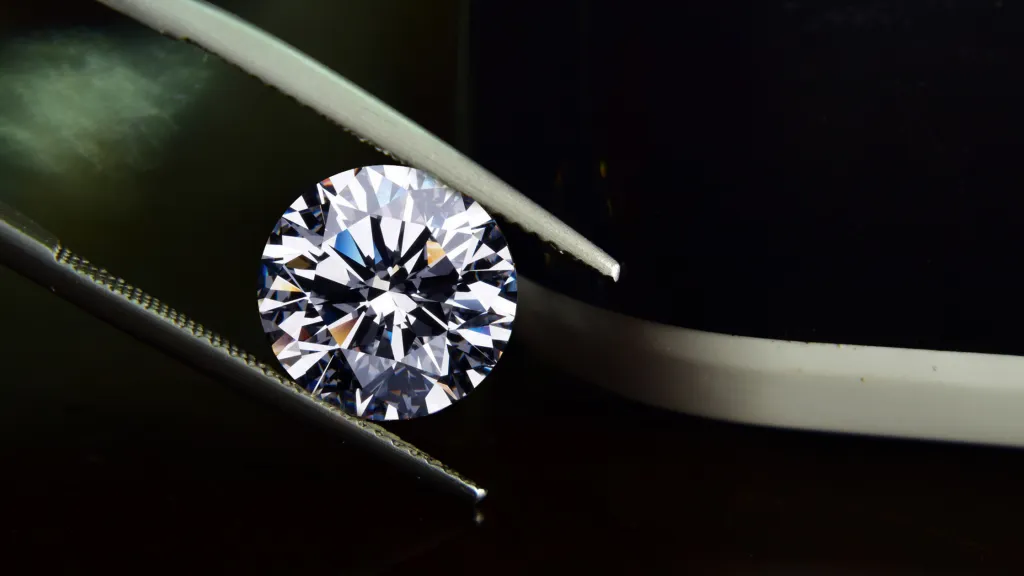
- Start with a grading report. If the stone has none, send it to GIA. Value can’t be judged reliably without accurate grades. Not sure what a report says? Read how to read a GIA diamond certificate.
- Know which value you need:
| Value type | What it means | Typical use |
|---|---|---|
| Insurance (replacement) | Cost to buy a similar stone at retail | Insuring the piece |
| Fair market | What a willing buyer and seller would agree | Estates, divorces, donations |
| Resale or liquidation | What a dealer or buyer offers you now | Selling quickly |
- Use an independent appraiser who doesn’t offer to buy the stone, ideally a GIA-trained gemologist with recognized appraisal credentials.
- Get several offers if selling. Auction houses, specialist diamond buyers and high-end jewelers can quote very differently.
Resale is usually well below retail
Whatever you paid at retail, expect resale offers to be noticeably lower. Dealers need room for costs and profit, and auction houses charge seller fees. Get a written offer from more than one buyer before deciding.
Buying a 9 carat diamond: quick tips
- Pick your priorities. Many buyers choose near-colorless (G–H) and eye-clean (VS) for a white, clean look without top-grade prices.
- Use shape to your advantage. An oval or marquise looks larger per carat than a round, so a slightly lighter stone can give the same look.
- Check the inscription on the girdle against the report number.
- Compare like with like. Price stones with the same shape and grades, not just the same weight.
For a size step down, see our 8 carat diamond price guide.
Frequently asked questions
Why is an appraisal often higher than what a jeweler will pay me?
An insurance appraisal estimates what it would cost to replace the diamond at retail. A buyer offers a resale price that leaves room for their own costs and profit, which is usually much lower.
Is a 9 carat diamond rare?
Yes. Large gem-quality diamonds are far rarer than small ones, which is why price per carat rises steeply with size. Top color and clarity at 9 carats is rarer still.
Is a 9 carat lab-grown diamond worth much?
It costs far less to buy than a natural one and resells for much less too. Lab-grown prices have been falling, so value it on what you’d pay new today, not the original price.
Does a 9 carat diamond need special insurance?
Most homeowners or renters policies cap jewelry coverage at a low amount, so a stone this valuable usually needs a scheduled item or a specialist jewelry policy based on a recent appraisal.
Sources
- Rapaport: Colorless diamonds dominate top 10 at Christie’s (October 2026)
- Rapaport: Sotheby’s rakes in $7.7M at Milan auction (October 2026)
- Rapaport: Christie’s online auction brings in $8.5M (March 2026)
- Sotheby’s: Go beyond the 4Cs, exceptional type IIa 8 carat diamonds (November 2024)
- GIA 4Cs: The 4Cs of diamond quality