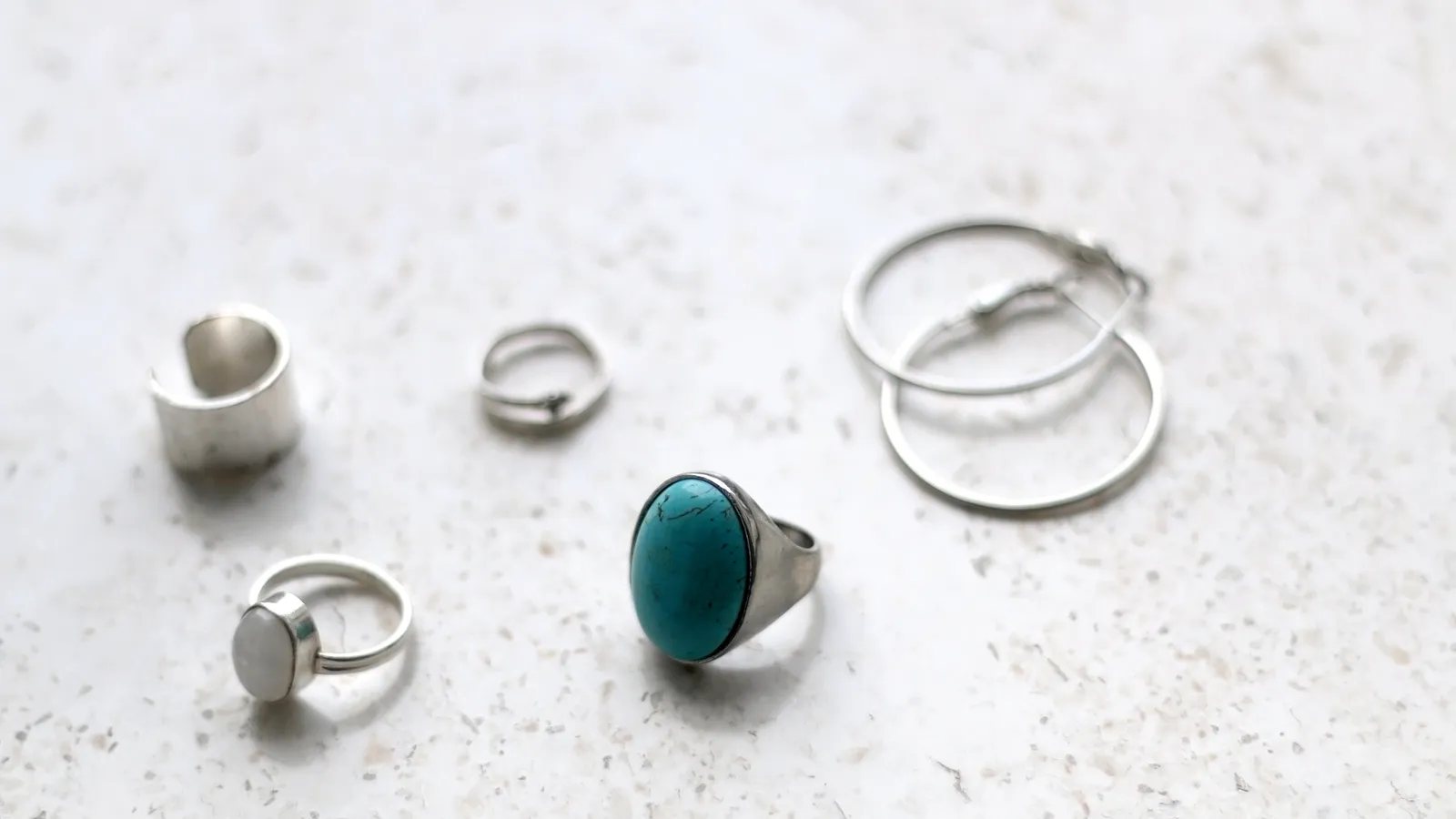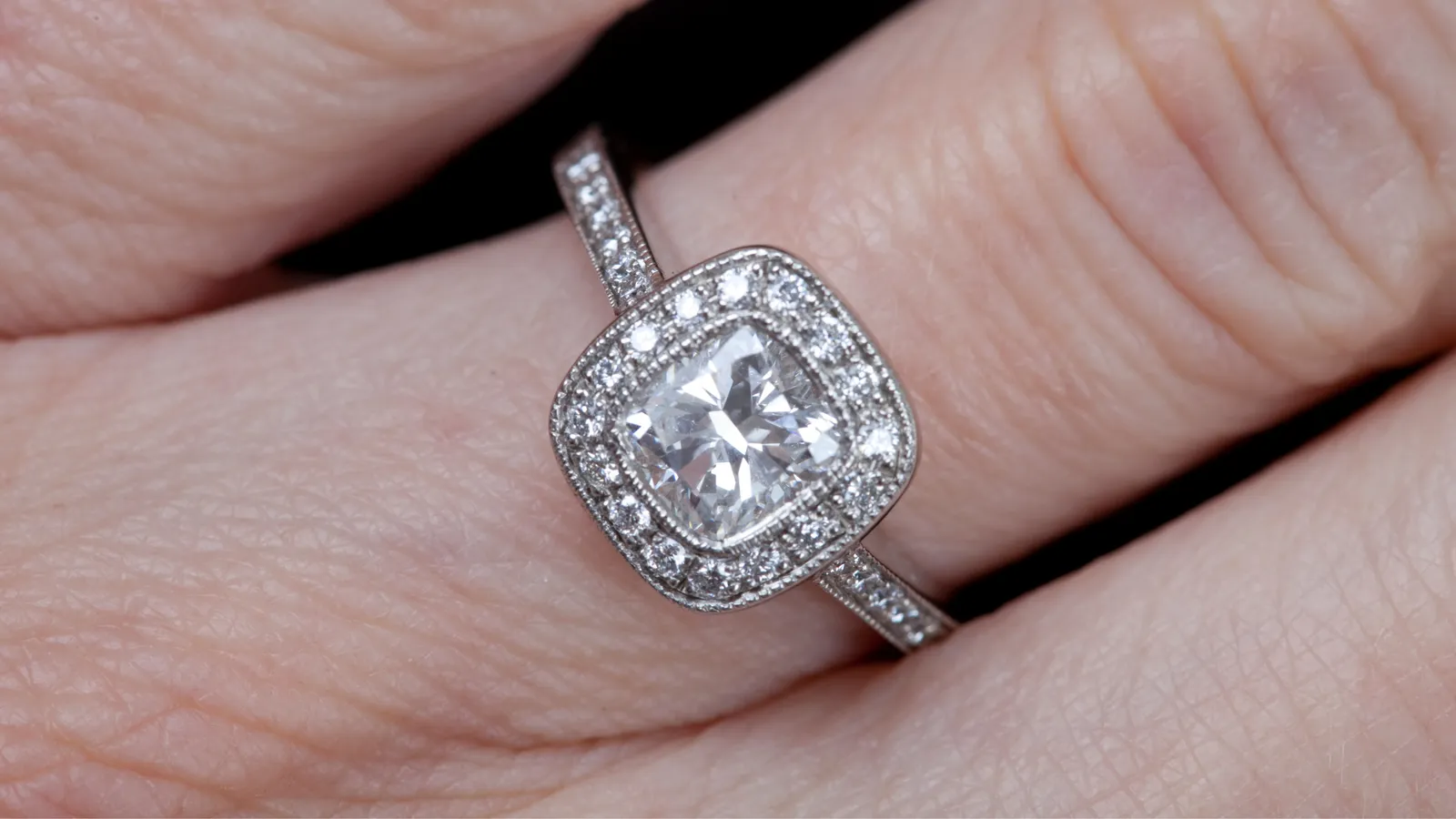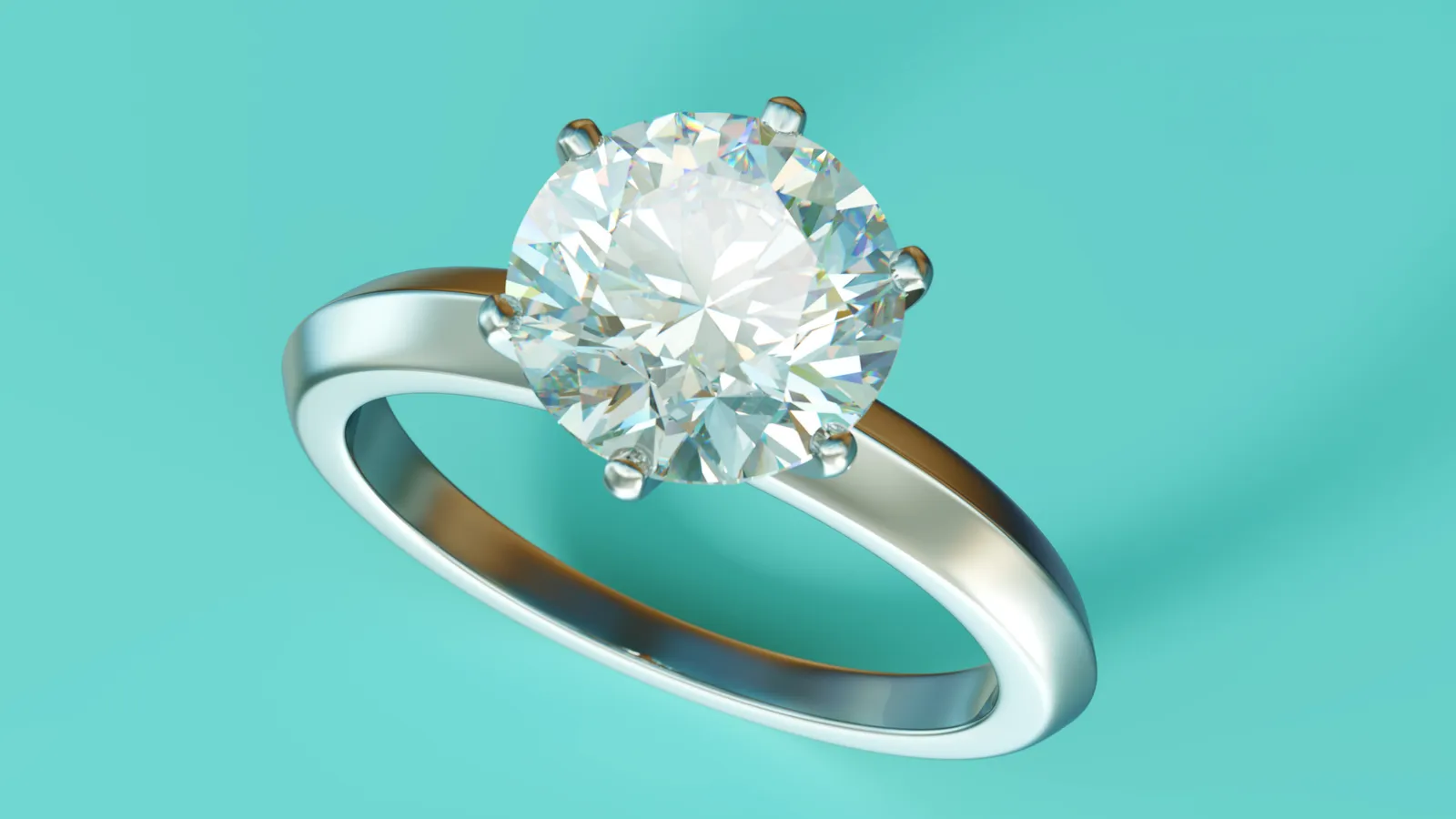
Short answer: no. A solitaire is a single stone on a plain band, and it has stayed a go-to engagement ring style for generations because it puts all the attention on the stone. It only looks boring if every choice is generic. The shape of the stone, the setting, the metal and the band profile give you plenty of ways to make it your own.
Why people choose a solitaire
- Timeless: it won’t look dated in 20 years.
- Shows off the center stone with nothing competing for attention.
- Easy to clean and maintain; no tiny side stones to lose.
- Pairs with almost any wedding band.
- Can be upgraded later with a halo or stacked bands.
What exactly is a solitaire?
A solitaire engagement ring has one center stone and no other stones on the setting or band. The stone is usually held by prongs, though a bezel (a metal rim) also counts.
Tiffany & Co. introduced its six-prong Tiffany Setting in 1886, lifting the diamond above the band to let in more light. That basic idea still shapes most solitaires today.
Why some people think solitaires are boring
- They see them everywhere. The classic round diamond on a plain band is the most common ring there is.
- Social media favors bold rings. Halos, hidden halos and pavé bands photograph with more sparkle.
- Small stones can look lonely. A small center stone on a wide band can look underwhelming.
All of these are about specific choices, not the style itself.
How to make a solitaire feel personal
1. Choose a less common shape
A round is the classic, but an oval, emerald, cushion, pear or marquise instantly changes the personality of the ring. Step cuts like the emerald cut look clean and architectural; a cushion cut looks soft and vintage.
2. Play with the prongs
- Four prongs show more of the stone.
- Six prongs look rounder and add security.
- Claw, double or compass prongs add subtle detail.
3. Change the band profile
A thin knife-edge band makes the stone look bigger. A tapered band draws the eye toward the center. A cathedral setting, where the metal sweeps up to hold the stone, adds elegance from the side.
4. Add a hidden detail
A hidden halo under the stone, a peekaboo stone on the band, or an engraving inside are all ways to make it personal without losing the clean look.
5. Pick a different metal
Yellow and rose gold look warmer and more vintage than white gold or platinum, which give a crisp, modern feel.
Solitaire vs. other popular styles
| Style | Look | Maintenance | Where the budget goes |
|---|---|---|---|
| Solitaire | Clean, classic | Easiest | Mostly center stone |
| Halo | Bigger, sparkly | Small stones need checking | Shared with the halo |
| Three-stone | Balanced, symbolic | Moderate | Split across three stones |
| Pavé band | Glittery | Tiny stones can loosen | Shared with the band |
Who a solitaire suits best
- People who like simple, timeless jewelry.
- Anyone who wants the largest or highest-quality center stone for their budget.
- People who work with their hands and want fewer places for dirt and snags.
- Anyone planning to stack bands over the years.
Not sure which style your partner prefers? Our guide to engagement ring settings walks through the main options.
Frequently asked questions
Is a solitaire ring more expensive than a halo?
Not necessarily. A halo adds small diamonds and labor to the setting, but it can make a smaller, cheaper center stone look bigger. A solitaire puts most of the budget into the center stone.
Can I add a halo or side stones to a solitaire later?
Often, yes. Many jewelers can add a halo or a matching band later, depending on the setting and stone. See our guide to adding a halo to a diamond ring.
Does a solitaire make the diamond look smaller?
A thin band and a raised head actually make the center stone look larger by contrast. A chunky band does the opposite.
Is a solitaire good for an active lifestyle?
A low-profile solitaire with four or six sturdy prongs, or a bezel, is one of the easiest rings to wear and clean because there are no tiny side stones to lose.