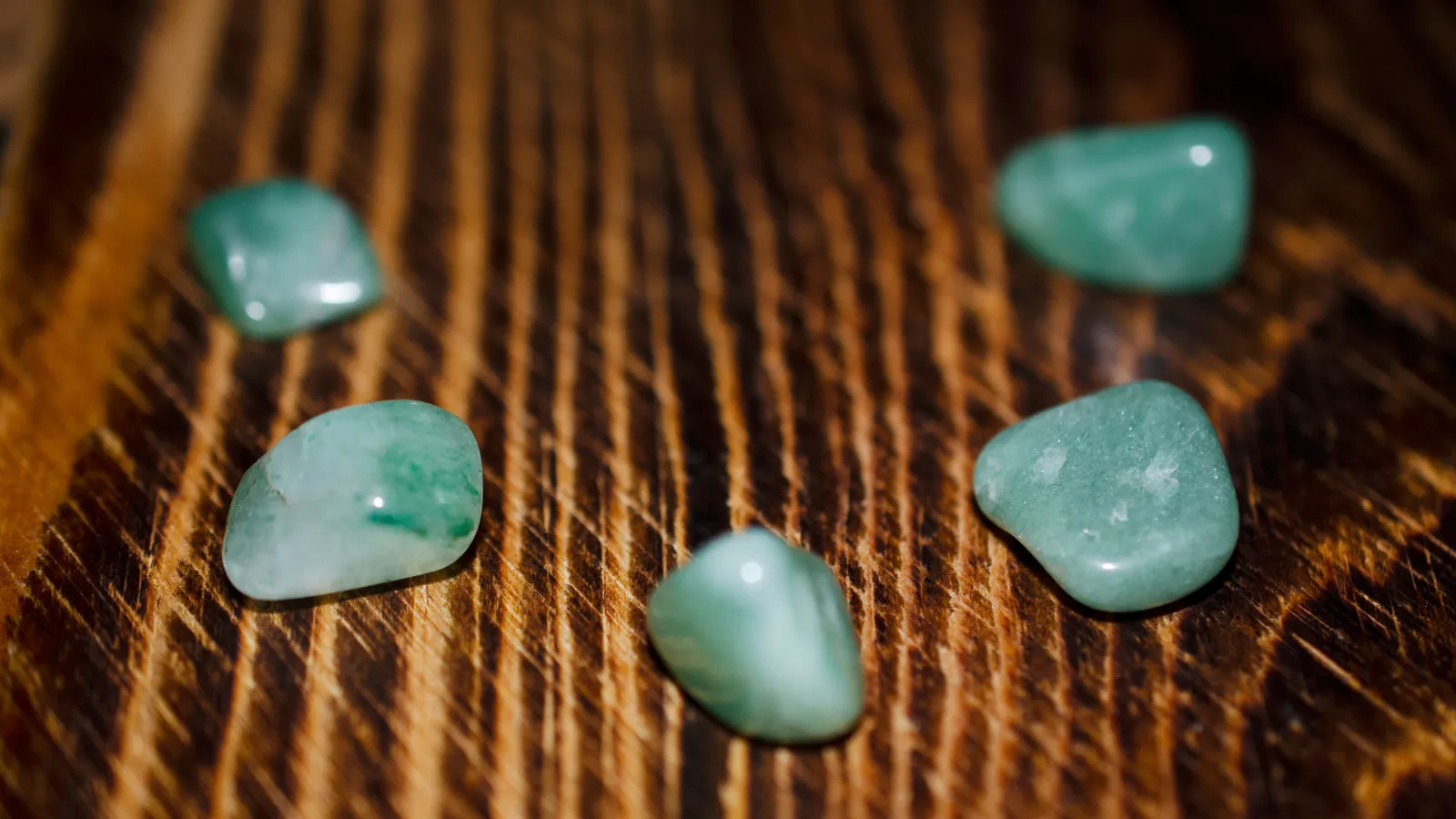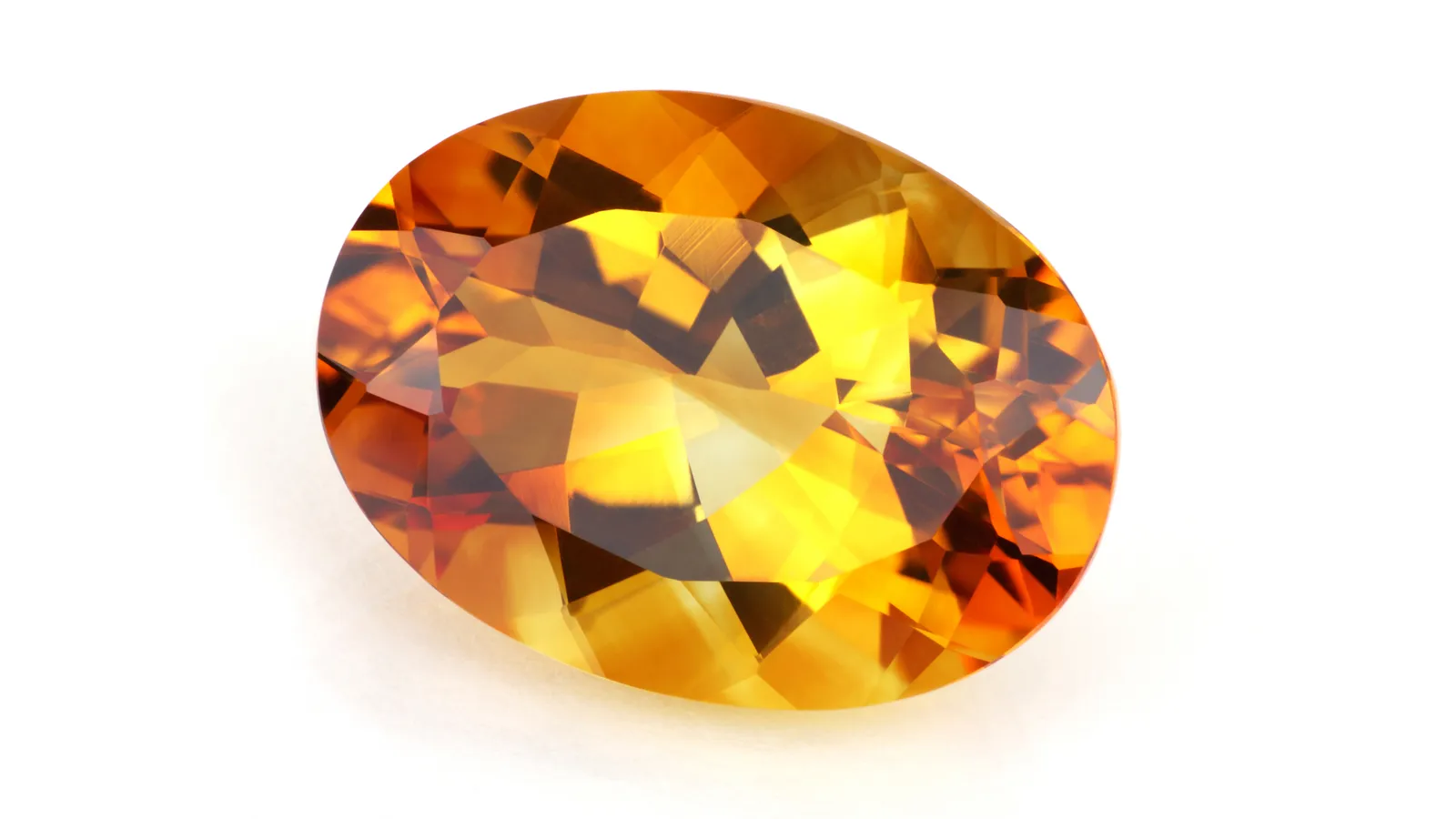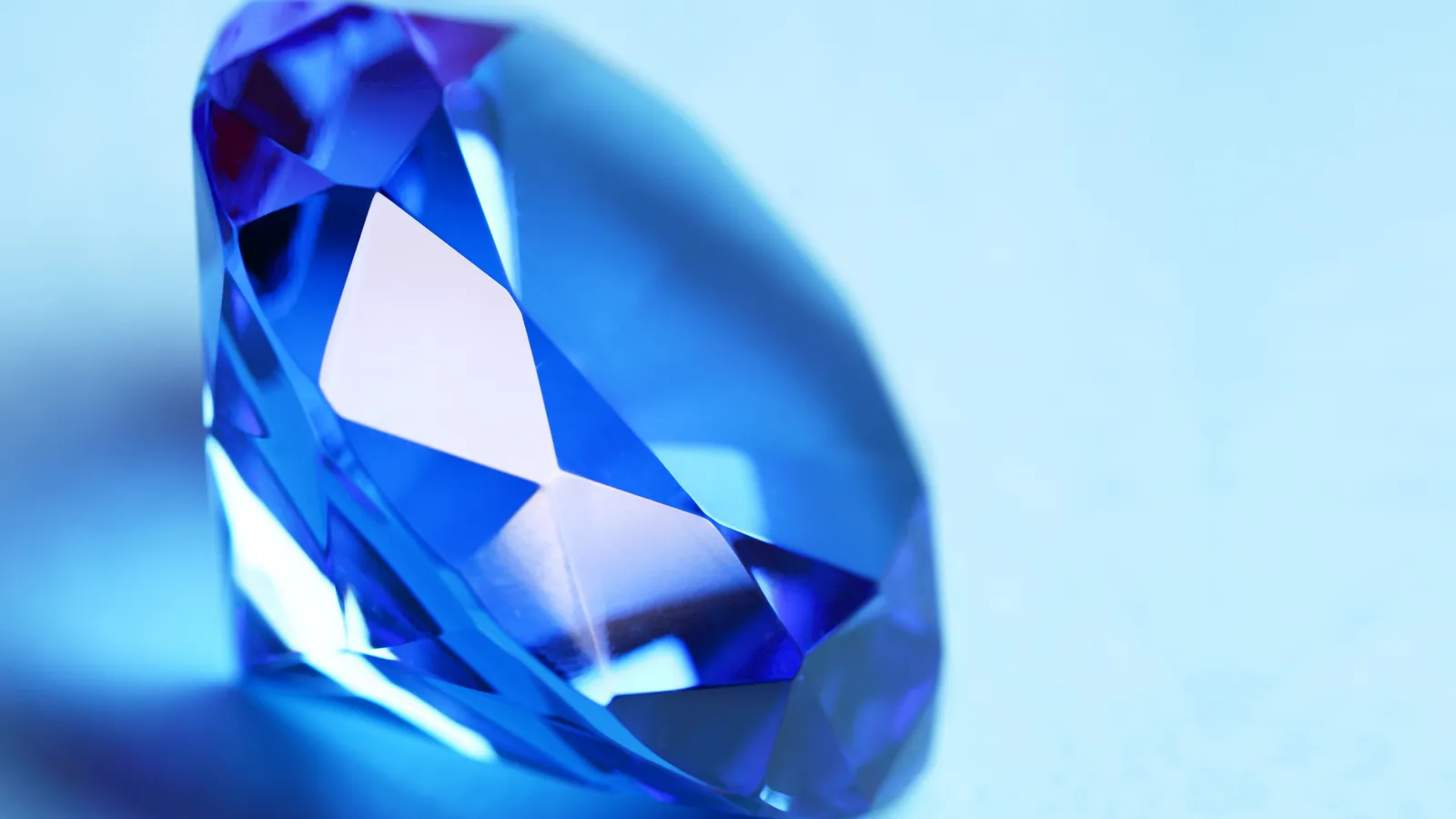
Short answer: a Montana sapphire is a natural sapphire mined in the US state of Montana. Most come from river gravel deposits along the Missouri River, Rock Creek and Dry Cottonwood Creek, plus the separate Yogo Gulch deposit. They come in pastel blues, greens, blue-greens, yellows, oranges and pinks, and most stones on the market have been heat treated to deepen their color.
At a glance
| Mineral | Corundum (sapphire), hardness 9 on the Mohs scale |
| Where | Southwestern and central Montana, USA |
| Main deposits | Missouri River, Dry Cottonwood Creek, Rock Creek, Yogo Gulch |
| Typical colors | Pale to medium blue, green, blue-green, yellow, orange, pink, purple |
| Treatment | Most alluvial stones are heated; ask for disclosure |
| State gem | Yes, alongside Montana agate |
Where are Montana sapphires found?
GIA’s research lists four main areas where gem sapphires have been mined commercially in Montana:
| Deposit | First reported | Type |
|---|---|---|
| Missouri River (near Helena) | 1865 | Alluvial (river gravel) |
| Dry Cottonwood Creek (near Butte) | 1889 | Alluvial |
| Rock Creek | 1892 | Alluvial |
| Yogo Gulch | 1895 | Primary (in the original rock) |
Alluvial means the sapphires have weathered out of their original rock and collected in gravels, where they’re recovered by washing and sorting. Yogo Gulch is different: it’s Montana’s only primary deposit, where the stones are mined from the rock they formed in.
The first Montana sapphires were found by prospectors searching for gold.
What colors are Montana sapphires?
GIA describes the alluvial stones as coming in a wide range of colors, including blue, green, yellow, orange, pink and purple, with most of them fairly pale before treatment. Soft blue-green and steely blue stones are a big part of their appeal today.
Yogo sapphires are known for a natural cornflower blue color, which GIA notes the gem market preferred over the paler Missouri River stones.
Are Montana sapphires heat treated?
Most are. According to GIA, the majority of Montana sapphires reaching the market from the alluvial deposits have been heated at high temperatures to improve their color. Heating can turn pale stones into richer blues, or vivid yellows and oranges.
Heat treatment is common across the sapphire trade and is generally considered stable. Still, unheated stones with good color are rarer and usually cost more, so the difference matters.
Ask about treatment before you buy
The FTC’s Jewelry Guides say sellers should disclose a gemstone treatment when it isn’t permanent, needs special care, or significantly affects the stone’s value. Ask whether a Montana sapphire is heated or unheated, and for a higher-priced stone, ask for a lab report that states it.
How do Montana sapphires compare with other sapphires?
- Same mineral. A Montana sapphire is corundum, exactly like sapphires from Sri Lanka, Madagascar or Thailand. See what is a Ceylon sapphire? for comparison.
- Same durability. At 9 on the Mohs scale, sapphire is one of the hardest gems used in jewelry, so it suits engagement rings and everyday wear.
- Distinct colors. The soft blue-greens, greens and pastel shades set them apart from the deep blues many people picture.
Is a Montana sapphire a good choice for an engagement ring?
It can be. Sapphire’s hardness makes it practical, and a US-mined origin appeals to buyers who care where their gem came from. A few tips:
- Decide on color first. Montana stones range from pale blue to blue-green to yellow and orange.
- Ask heated or unheated. It affects price.
- Check the cut. A well-cut stone shows more sparkle and even color.
- Get paperwork. For important stones, ask for a lab report that confirms the origin and treatment.
Prices vary widely by size, color, treatment and cut, so compare several stones before deciding. For more ring ideas, see are gemstone engagement rings tacky?
Montana’s state gem
Montana law names the sapphire and the Montana agate as the official state gemstones, a designation dating to 1969.
Frequently asked questions
Are Montana sapphires real sapphires?
Yes. They are natural corundum, the same mineral as sapphires from Sri Lanka or Madagascar. “Montana” only describes where they were mined.
What’s the difference between a Yogo sapphire and a Montana sapphire?
Yogo sapphires come from Yogo Gulch, Montana’s only primary deposit, and are known for their natural cornflower blue color. “Montana sapphire” usually refers to stones from the state’s alluvial deposits: the Missouri River, Rock Creek and Dry Cottonwood Creek.
Is a heat-treated Montana sapphire worth less?
An unheated stone of the same color and quality generally commands more, but heated sapphires are a normal, accepted part of the market. What matters is that the treatment is disclosed.
Is sapphire Montana’s state gem?
Yes. Montana law names the sapphire and the Montana agate as the official state gemstones.