Short answer: yes, sodalite can go in water. It won’t dissolve or lose color from a rinse, and the International Gem Society recommends cleaning it with a soft brush, mild detergent and warm water. The bigger concern is scratching, because sodalite is fairly soft, so avoid scrubbing with anything abrasive and dry it well afterward.
At a glance
| Question | Answer |
|---|---|
| Hardness | About 5.5–6 on the Mohs scale |
| Rinse or wash in water? | Yes |
| Long soaks? | Not needed; avoid for dyed or strung pieces |
| Salt water or chlorine? | Brief contact only; rinse afterward |
| Heat? | Avoid; heat can fade the color |
| Biggest risk | Scratches |
What is sodalite?
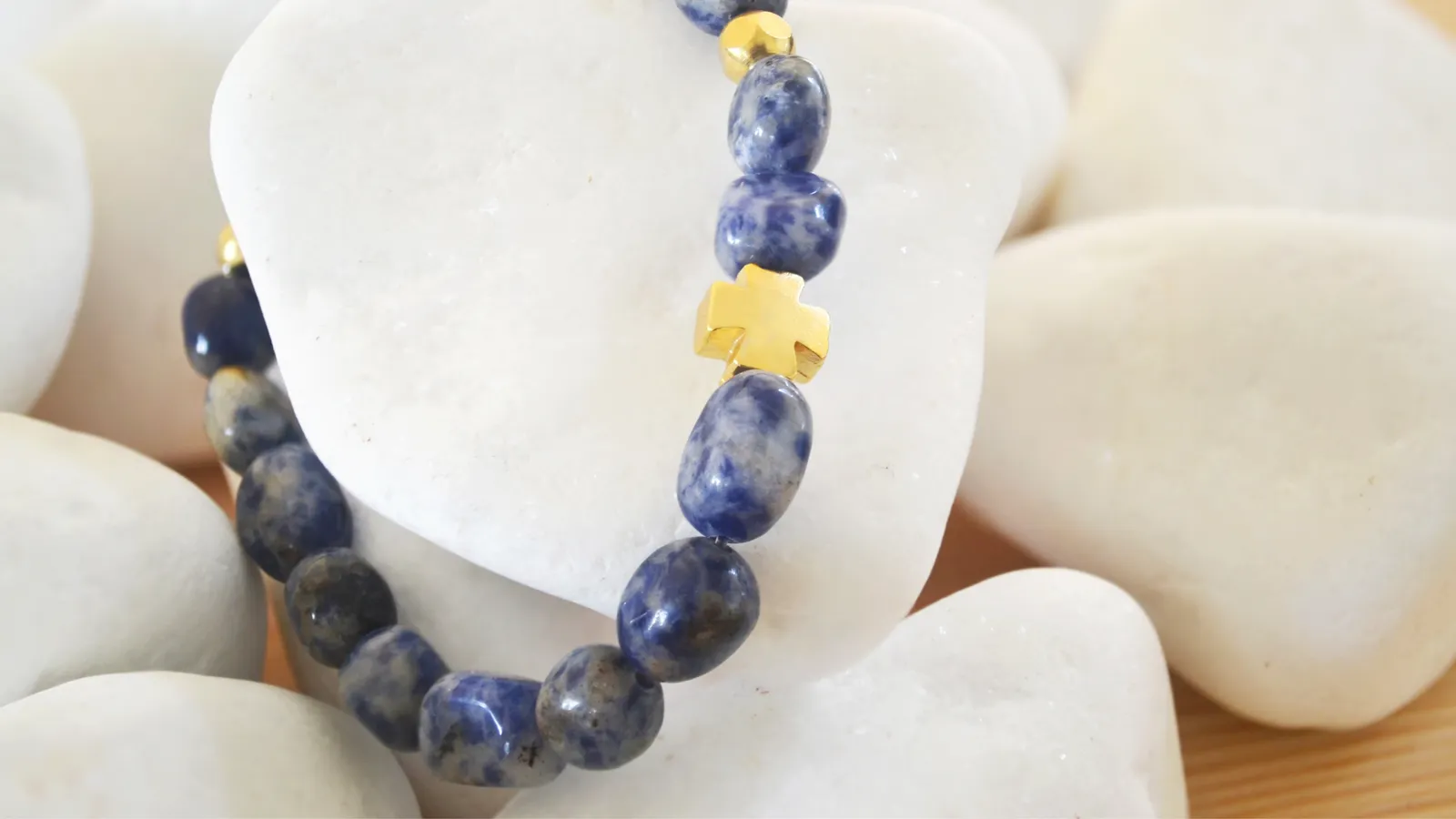
Sodalite is a mineral named for its sodium content. It’s best known as an opaque, royal-blue stone, often with white veins, and is used for beads, cabochons and carvings. It can also come in gray, yellow, orange or pink, though those are rarer in jewelry.
Key points for care:
- Hardness: about 5.5–6, so quartz, topaz and even household dust can scratch it over time.
- Toughness: reasonably tough, so it isn’t especially prone to breaking.
- Treatments: some sodalite is dyed (pale stones can be dyed a deeper blue), and heating can fade its color.
What happens if sodalite gets wet?
Not much. Sodalite isn’t water-soluble, and normal contact with water, like rain, hand-washing or a cleaning rinse, won’t change it. A few things can go wrong around it:
- Dyed stones may lose some color with long soaks.
- Bead cord and elastic weaken and stretch when wet often.
- Plated clasps and spacers tarnish faster.
- Chemicals in the water (chlorine, salt, cleaning products) are harsher than water itself.
How to clean sodalite
- Mix warm water with a few drops of mild dish soap.
- Clean the stone gently with a soft brush or cloth.
- Rinse in clean, lukewarm water.
- Pat dry and let it air dry completely, especially bracelets on cord.
Avoid with sodalite
- Abrasive pastes, baking soda scrubs and scouring pads
- Strong household chemicals and jewelry dips
- High heat, which can fade the blue
- Ultrasonic and steam cleaners, as a precaution
When to clean it
- When you first get it, to remove dust and polishing residue.
- Every few weeks if you wear it often, or whenever it looks dull.
- After a swim or sweaty workout, with a quick fresh-water rinse.
Wearing and storing sodalite
- Rings and bracelets take the most knocks. Choose protective settings and take them off for sports and housework.
- Necklaces and earrings are lower-risk ways to wear it every day.
- Store it on its own in a soft pouch, away from harder gems like quartz, sapphire and diamond.
Related stones
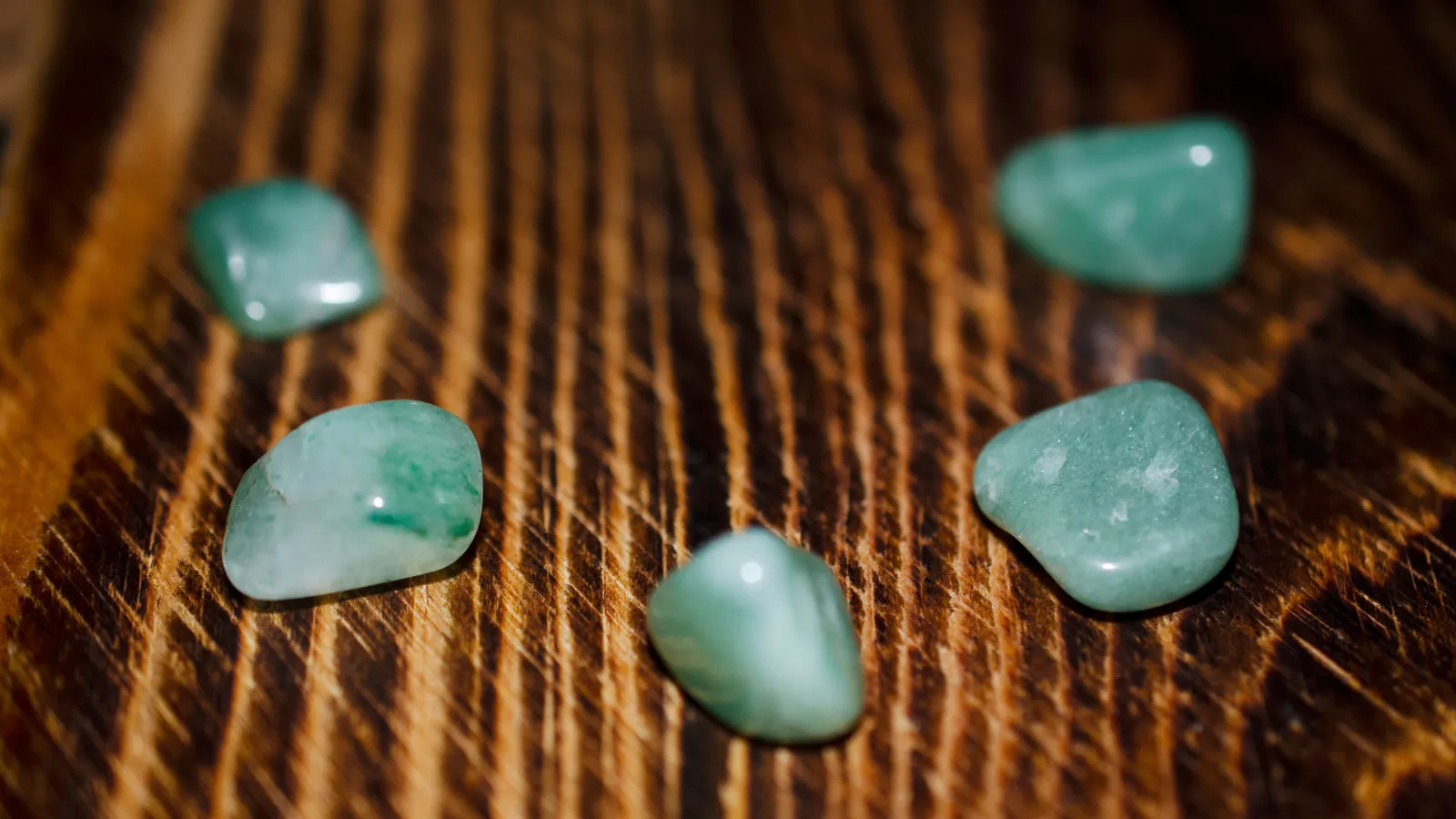
Labradorite, opalite and aventurine need similar care. See can labradorite get wet, can opalite go in water and can aventurine go in water.
Frequently asked questions
Can I leave sodalite in water overnight?
It isn’t water-soluble, but there’s no benefit and some risk if the stone is dyed or strung on cord. A quick rinse or wash is all it needs.
Can I wear a sodalite bracelet in the shower?
It’s best not to. Soap film dulls the polish, and elastic or cord stringing weakens with frequent wetting.
Is sodalite safe in salt water?
A short swim won’t ruin it, but rinse it in fresh water and dry it afterward. Salt and sand are abrasive and can scratch a soft stone.
Why does my sodalite look dull?
At 5.5–6 hardness it picks up fine scratches from everyday dust and harder gems. A jeweler or lapidary can repolish it.