All articles
Every guide on the site, newest first.
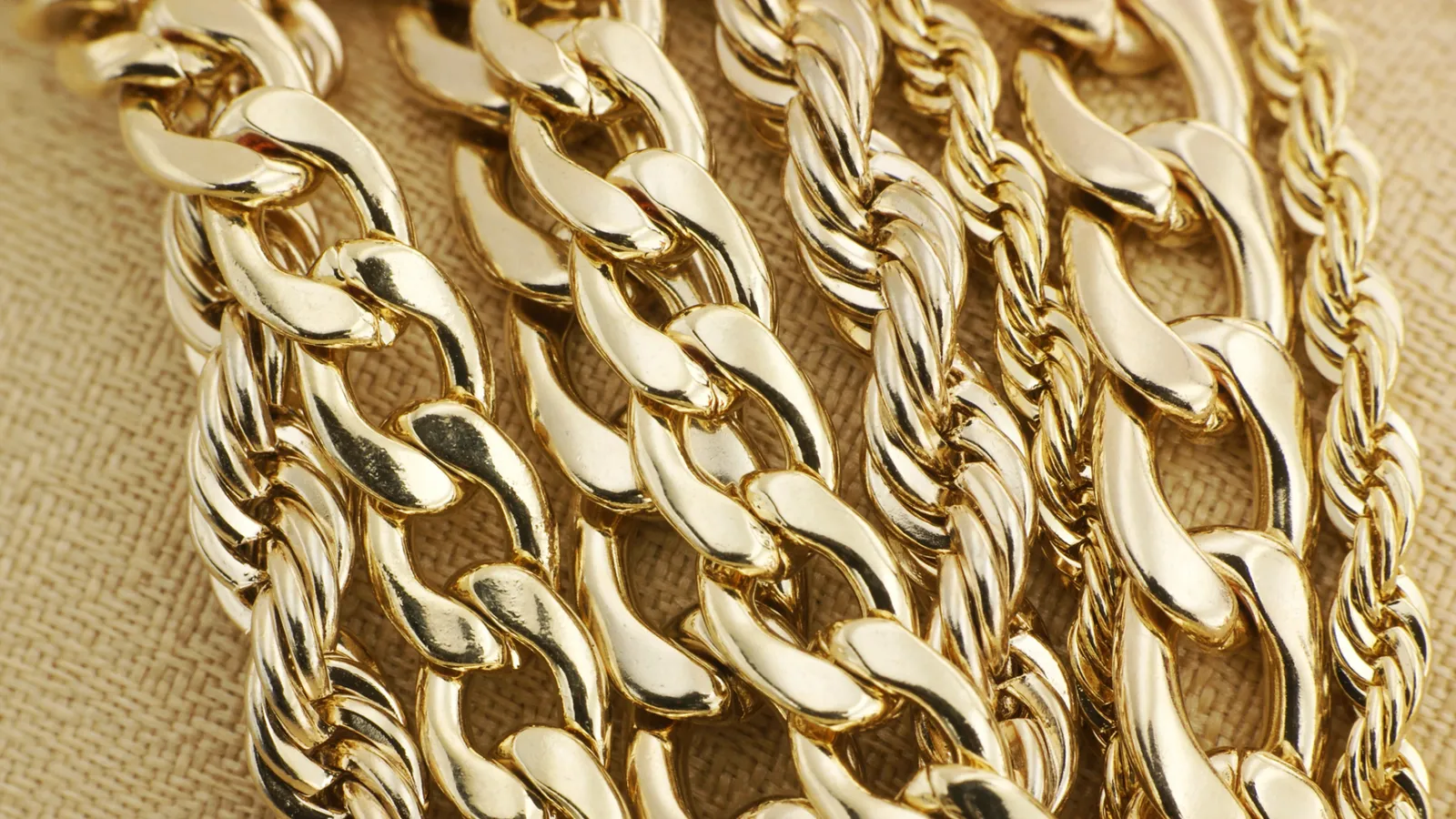
How Are Gold Chains Made? From Alloy to Finished Chain
Gold chains start as a melted alloy, get drawn into wire, formed into links and soldered shut. Here’s each step, plus how hollow and handmade chains differ.
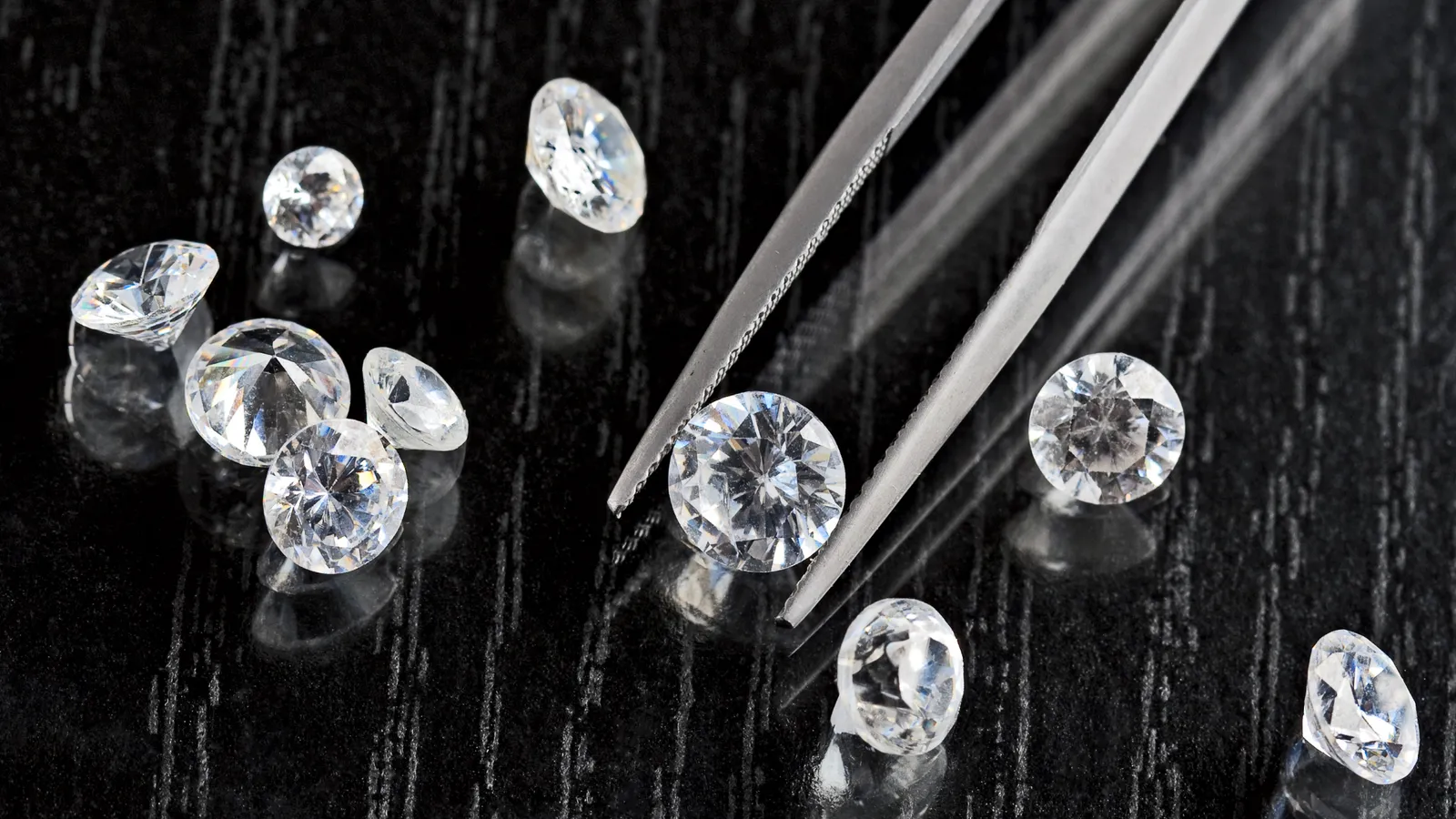
What Does CTTW Mean for Diamonds? (CT vs CTW vs CTTW Explained)
CTTW means carat total weight: the combined weight of every diamond in a piece. Learn how it differs from CT, how fractions round and how it affects price.
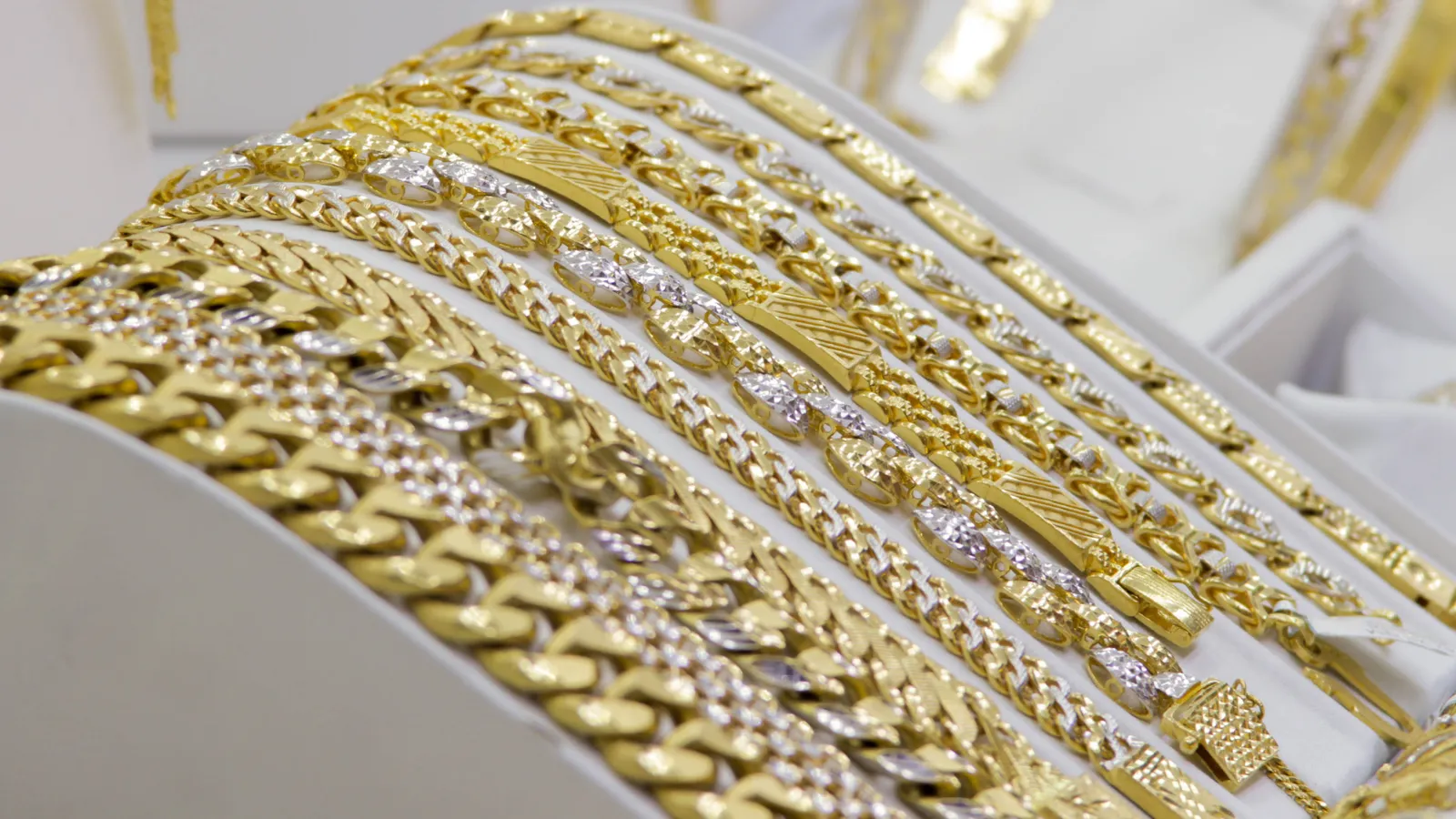
Are Gold Chains Unisex? (And How Men’s and Women’s Chains Differ)
Gold chains are unisex. The “men’s” and “women’s” labels mostly reflect typical width, length and clasp size. Here’s how to choose one that fits you.
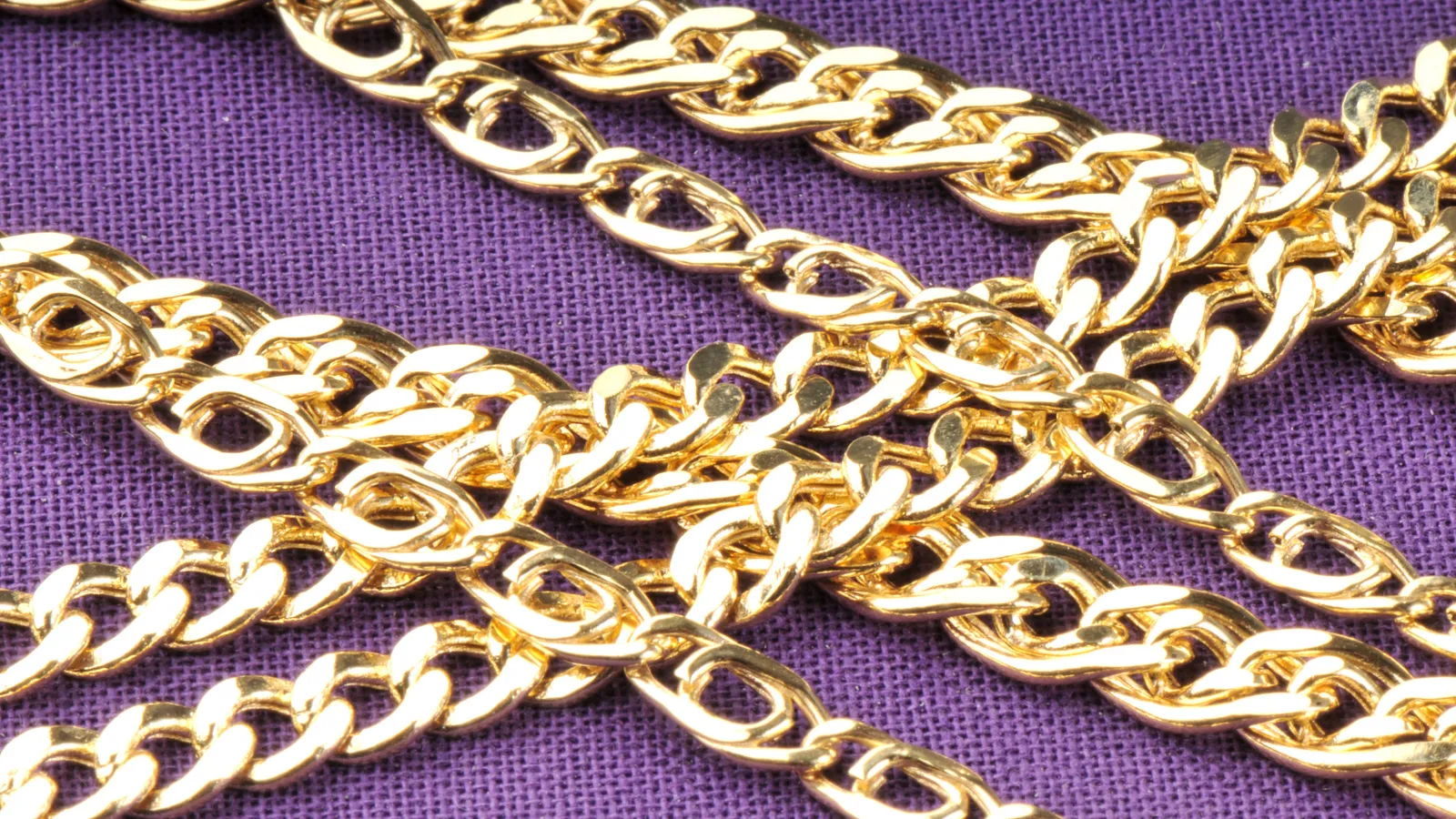
Are Gold-Plated Chains Fake? (Plated vs Filled vs Vermeil vs Solid)
Gold-plated chains have real gold on the surface but another metal inside. Here’s what plated, filled and vermeil mean, how long they last and when to buy.
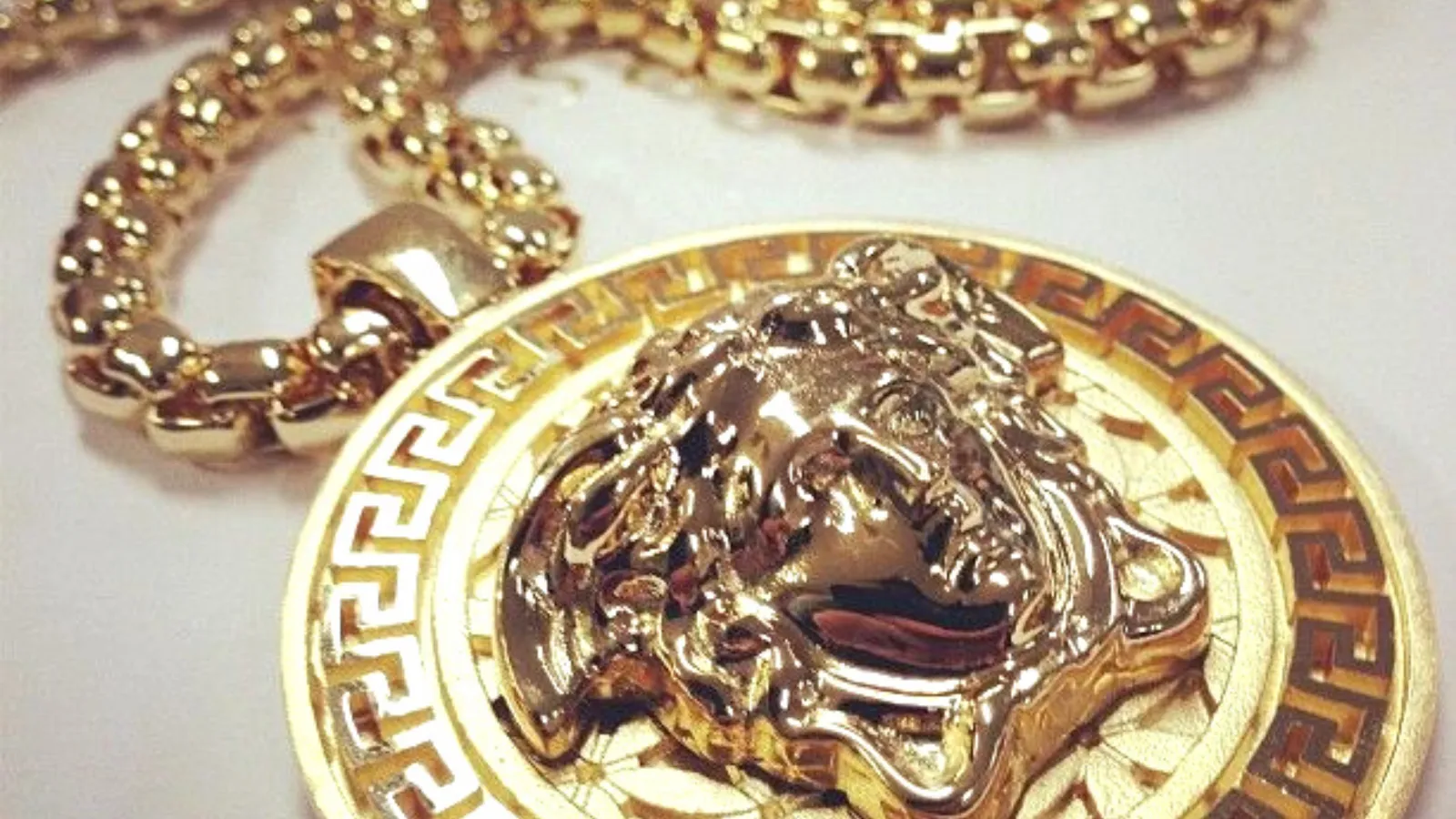
Are Versace Chains Real Gold? (Medusa Fashion Jewelry vs Fine Jewelry)
Most Versace Medusa chains are brass fashion jewelry with a gold-tone finish, not solid gold. Here’s how to tell, and where Versace does use 18K gold.
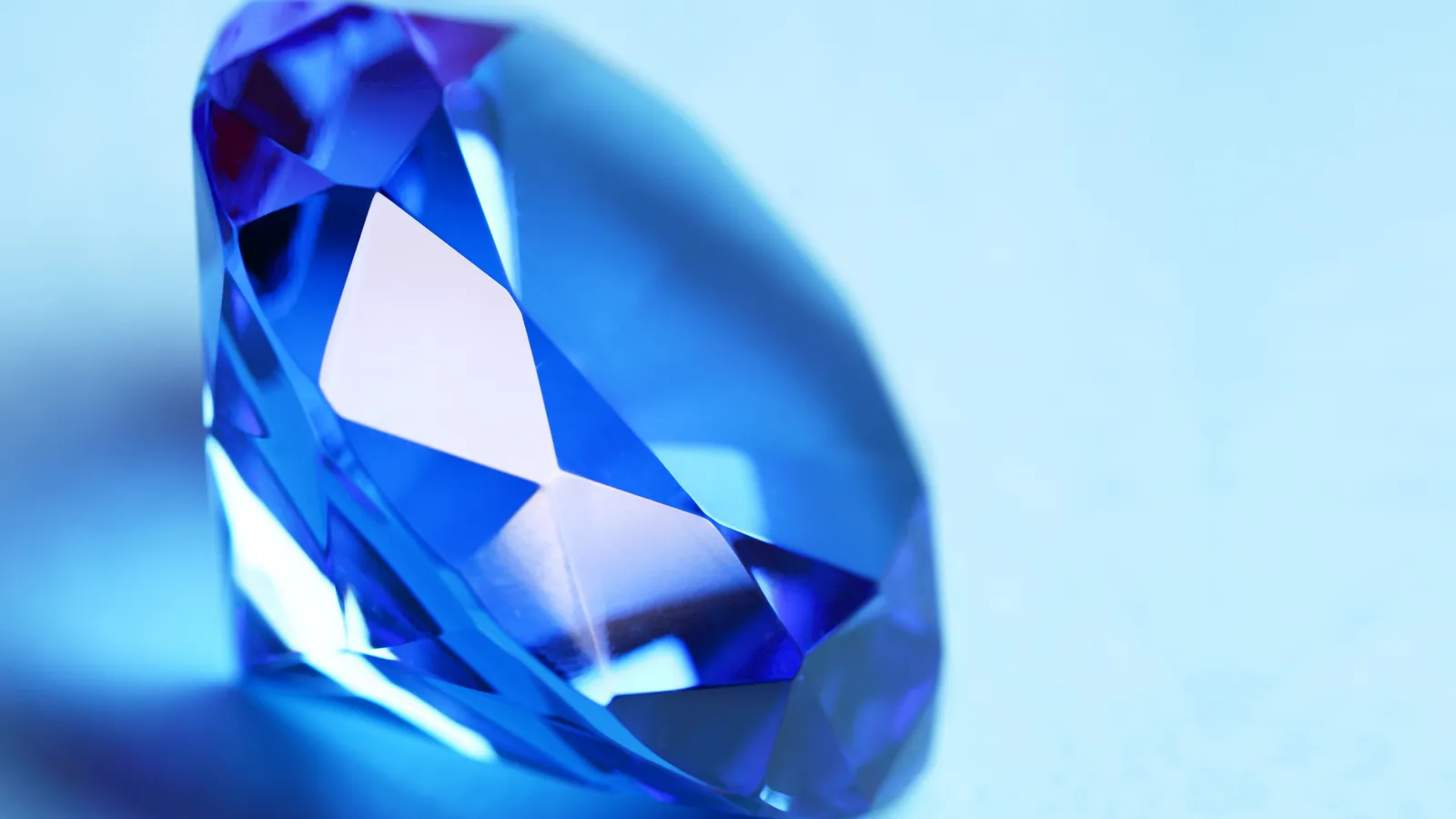
What Is a Montana Sapphire? Colors, Mines and Heat Treatment
Montana sapphires come from four historic US deposits, including Yogo Gulch. Learn their colors, why most are heat treated and what to ask before you buy.
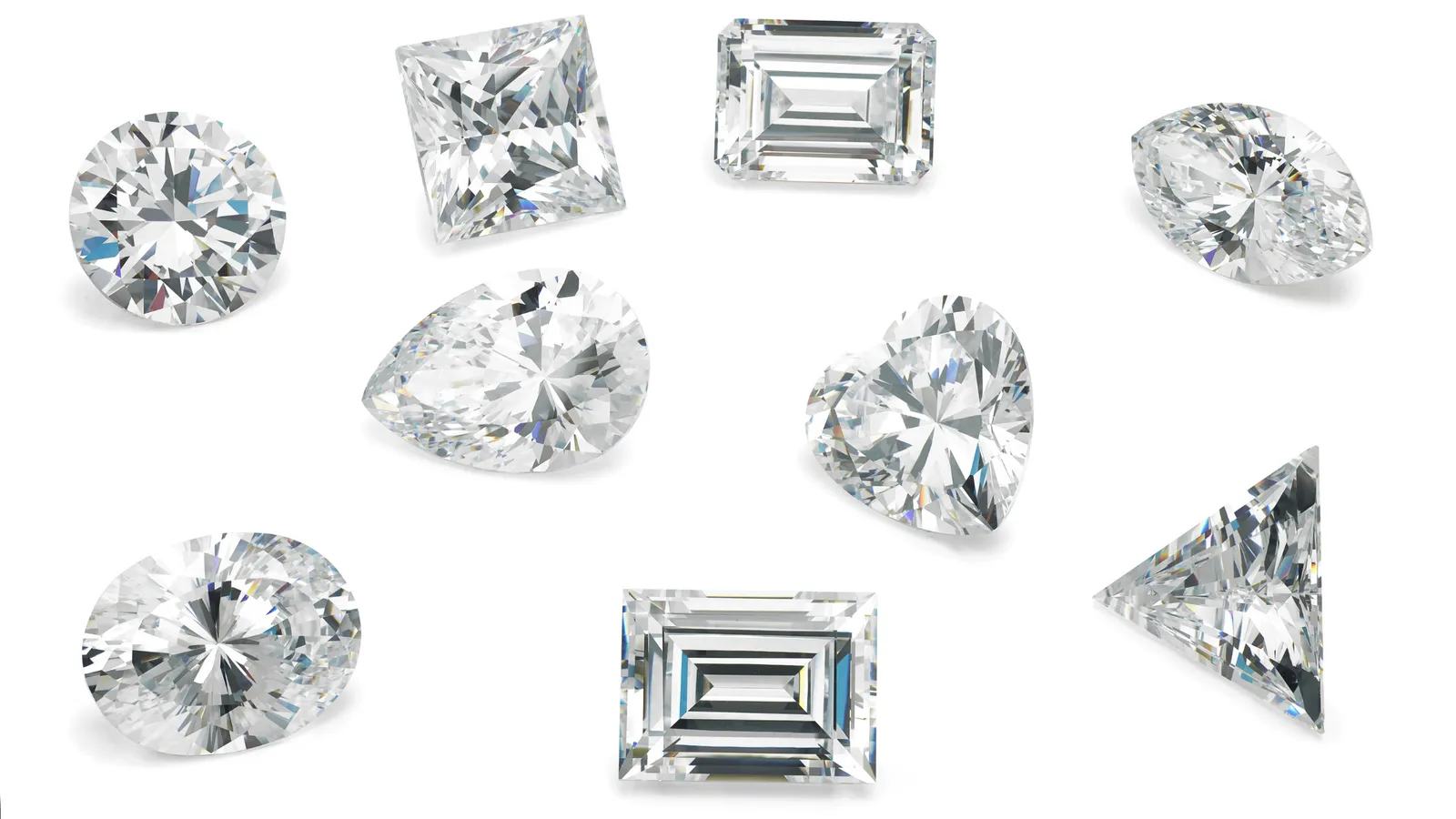
What Diamond Shape Looks the Biggest? (Per Carat, Ranked)
Marquise, oval and pear diamonds look biggest for their carat weight, while asscher and cushion look smallest. See the ranking and tips for a bigger look.
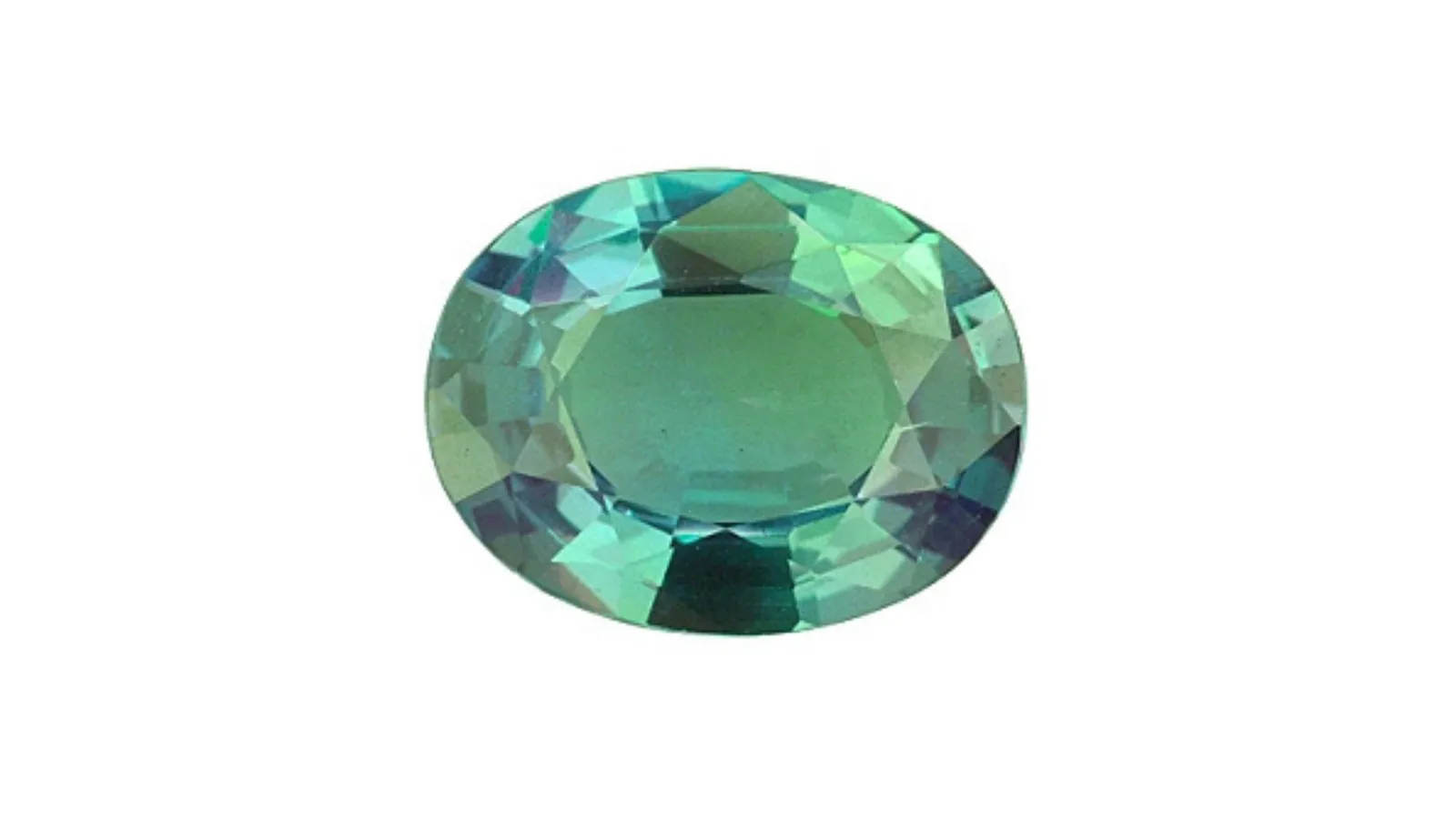
What Is Orissa Alexandrite? Indian Alexandrite Explained
Orissa alexandrite is color-change chrysoberyl from Odisha (formerly Orissa), India. Learn what it looks like, how it compares and how to confirm origin.
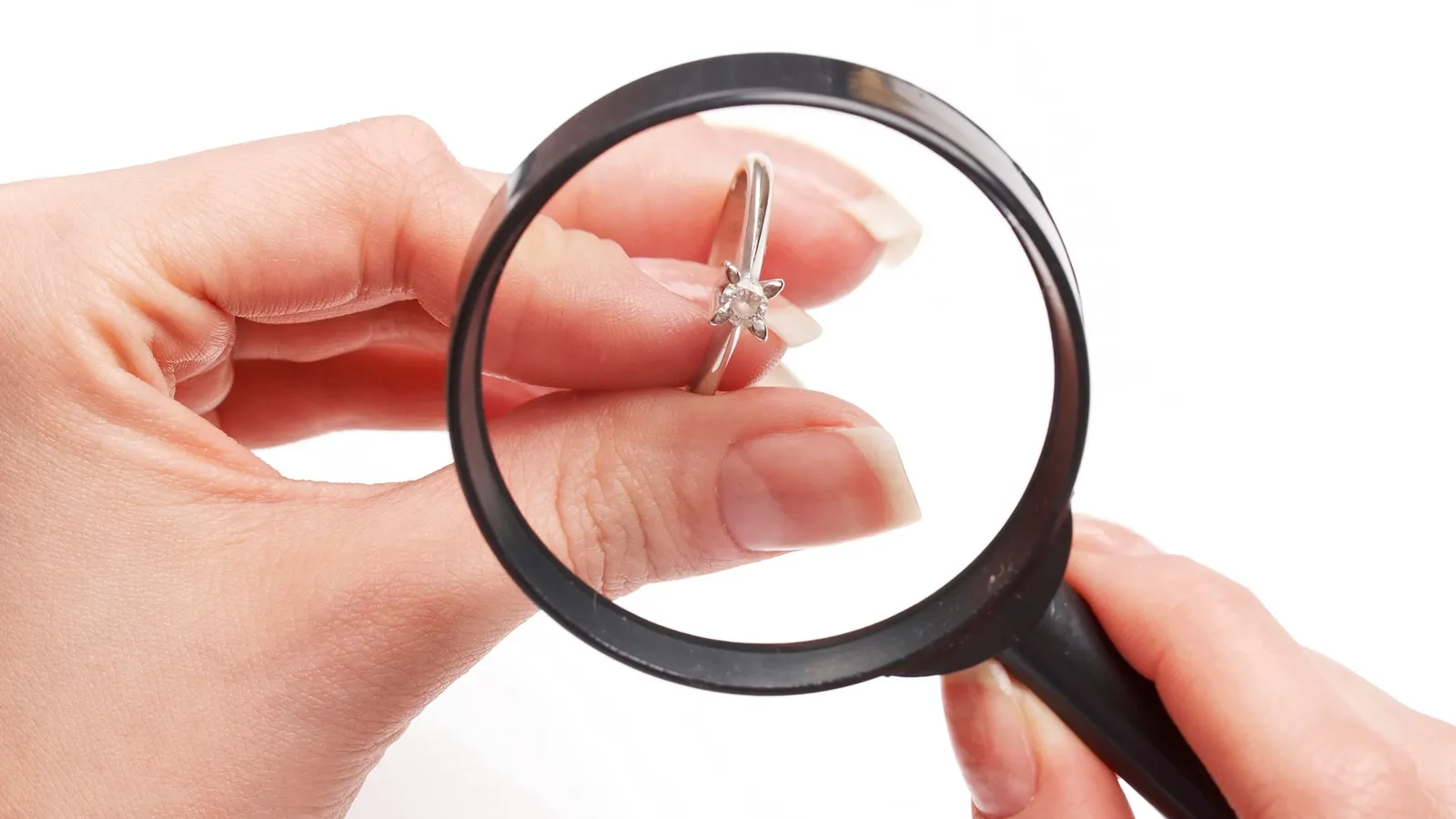
How to Tell If a Diamond Is Real or Fake (What Actually Works)
Most at-home diamond tests are unreliable, and some can damage your stone. Here’s what GIA says about the fog, sandpaper and newspaper tests, and what works.
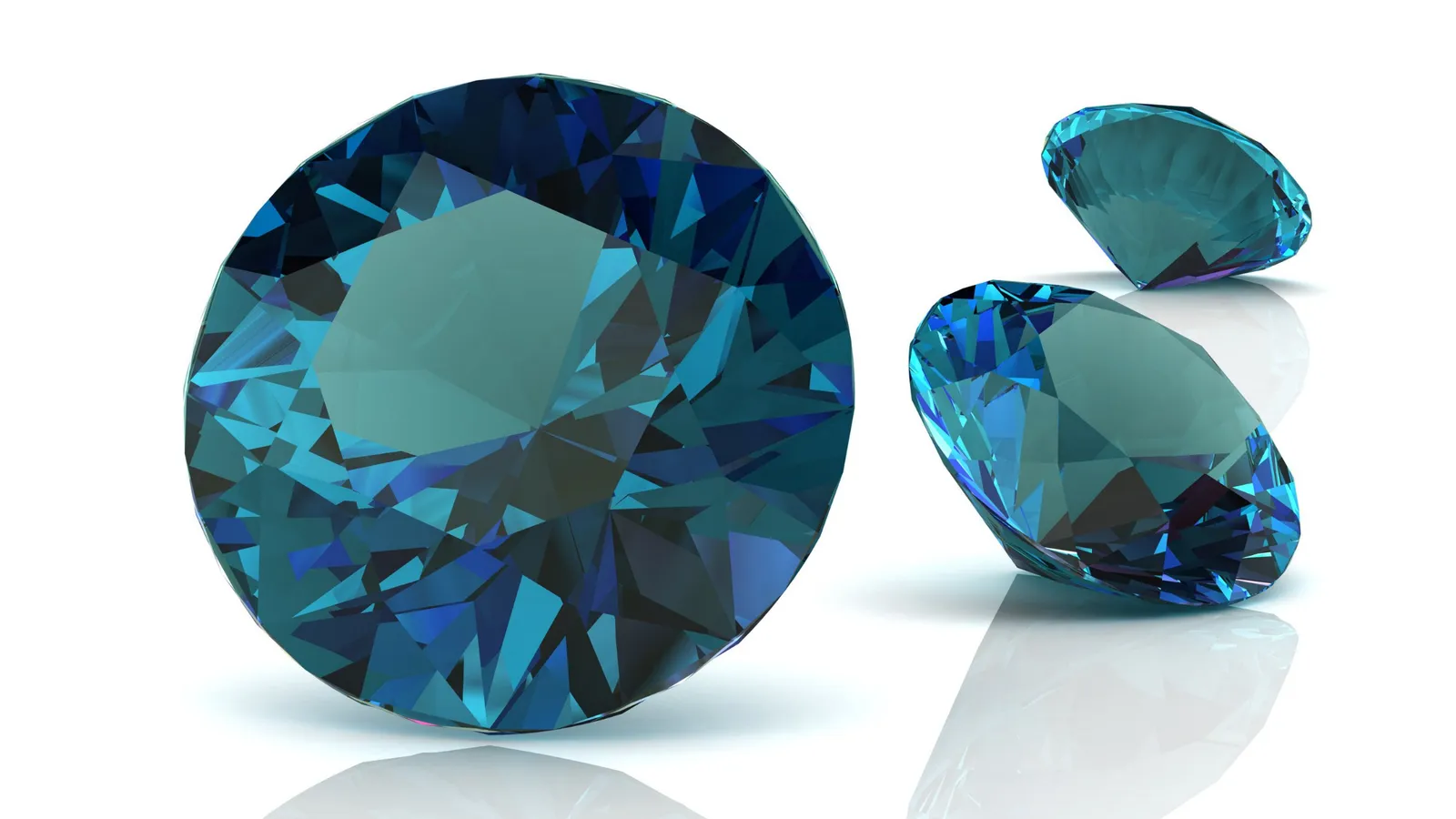
What Is Alexandrite? The Color-Change Gem Explained
Alexandrite is a rare chrysoberyl that looks green in daylight and red under warm lamp light. Learn what causes it, where it’s found and how to spot lab stones.
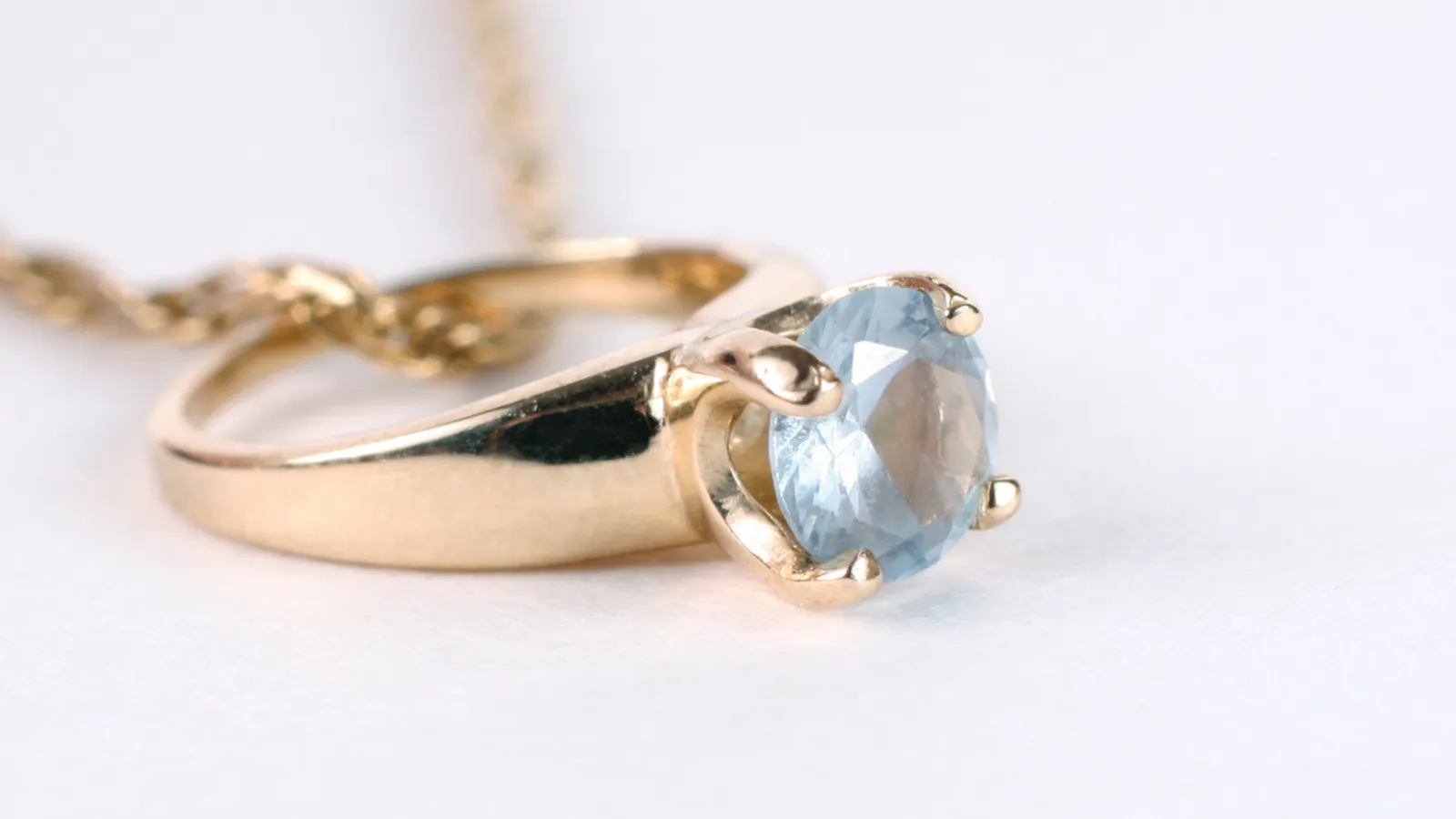
Aquamarine Jewelry Industry Statistics: What the Data Shows (and Doesn't)
What verified data says about the aquamarine market: US beryl production, wholesale prices, main sources, and why reliable aquamarine sales figures don't exist.
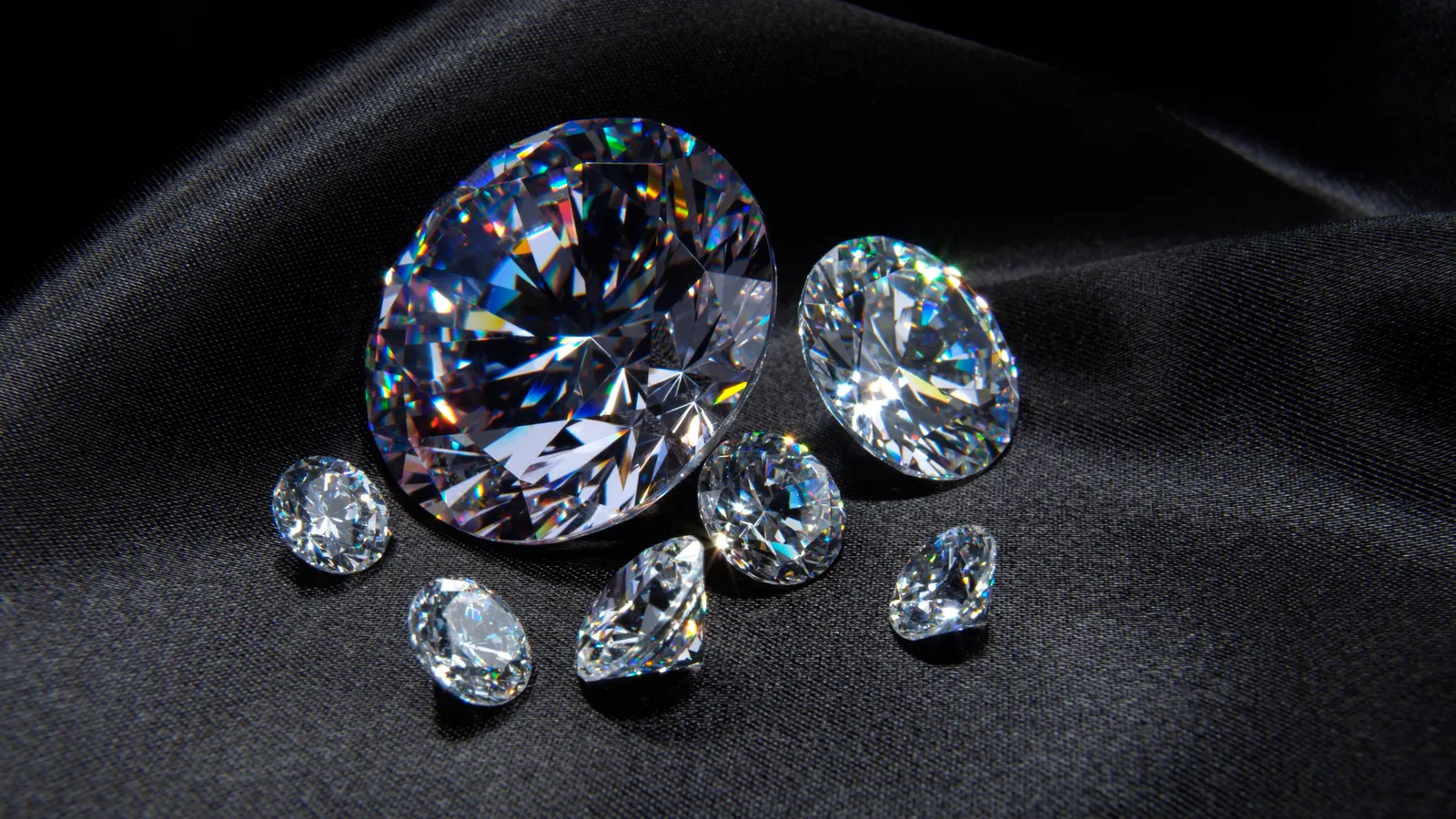
Diamond Industry Statistics (Production, Top Countries & Lab-Grown Trends)
Verified diamond industry statistics: world rough production and value, top producing countries, US imports and the rise of lab-grown diamonds, with data years.